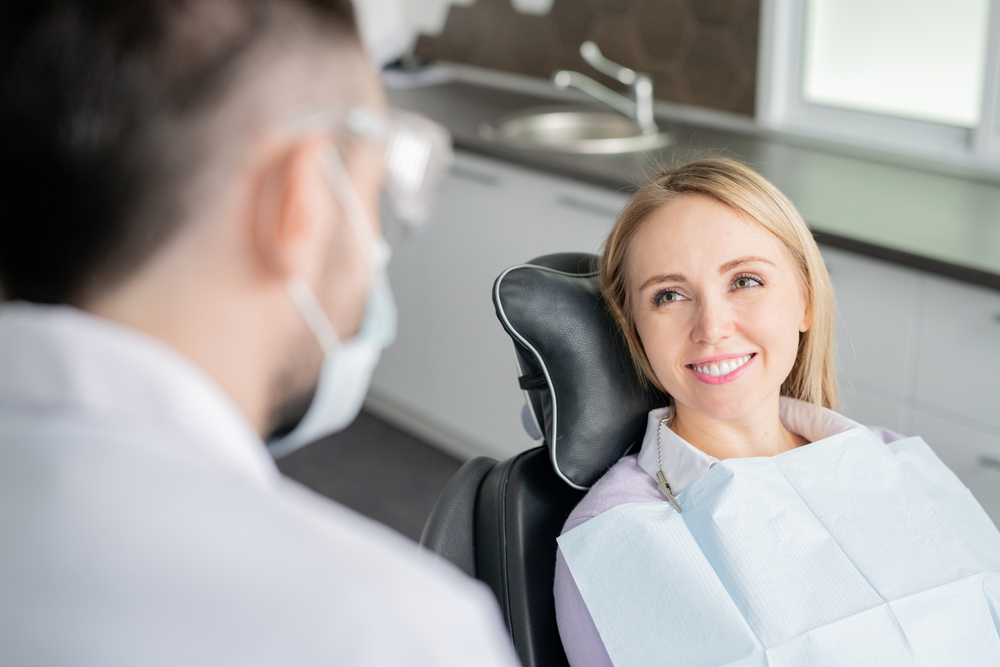
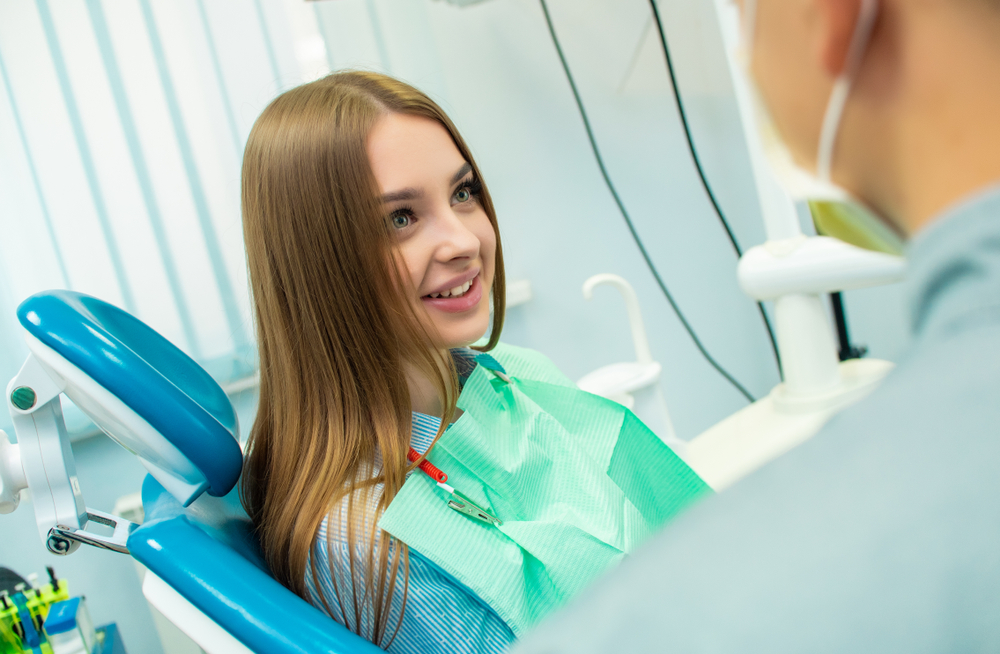
In dental care, sedation dentistry uses medicine to help create more relaxed, comfortable dental visits. Clinically, this method is also known as conscious sedation, and your dentist keeps talking with you throughout treatment. At Mazza Center for Implant and Aesthetic Dentistry, Dr. David Mazza explains sedation options so fear need not delay care.
Sedation Dentistry


Meet the Doctor, Dr. David Mazza
Dr. David Mazza has practiced cosmetic dentistry for more than 28 years. He is a board-certified Diplomate of the International Congress of Oral Implantologists. He also holds board certification as a Diplomate of the American Board of Aesthetic Dentistry. He has served as a Clinical Assistant Professor since 2000. He is also Dean’s faculty member at the University of Maryland School of Dentistry.
He has more than 25 years of teaching experience. He is a Fellow member of the American Society for Dental Aesthetics. He is also an Associate member of the American Academy of Esthetic Dentistry, an invitation-only organization. These credentials reflect a long record of patient-centered care.
Conditions, Symptoms, and Pain Associated with Dental Anxiety
Dental anxiety is a real body response that can cause a racing heartbeat, sweating, nausea, and trouble breathing. Tight jaw and neck muscles can cause pain, and severe fear may qualify as dental phobia.
Sedation lowers the stress response during treatment, so patients can receive care without the distress they fear. A 2021 meta-analysis of over 72,000 adults found the global estimated prevalence of dental fear and anxiety at 15.3%.
Recognizing the Problem
Dental anxiety often goes unrecognized. Avoidance can feel like a reasonable choice, so many people never connect it to anxiety. Learning the common signs helps you name what you feel.
Skipping appointments can be a sign of dental anxiety. Research supports this: Avoidance behavior is correlated with increased anxiety among adults studied. Clinicians recognize avoidance as a pattern, not a personal failing.
Anxiety about dental care exists on a spectrum. It ranges from mild unease before a cleaning to complete avoidance of all dental contact. Recognizing where you fall is often the first step toward feeling more comfortable at your next visit.
Common Signs
You may be dealing with dental anxiety if you notice any of these signs:
- You cancel or delay appointments often.
- You feel dread for days before a visit.
- Fear keeps you from restorative or cosmetic care you need.
- You lose sleep the night before an appointment.
- You feel tense or upset in the waiting room.
- You avoid the topic of dental care, even when something hurts.
What Your Body May Feel
Physical signs can appear well before you reach the office. Some people notice a tight chest, a dry mouth, or a racing mind the night before.
You may also clench your jaw or feel nauseous in the waiting room.
These signs do not mean something is wrong with you. Your body is reacting to a situation it perceives as a threat.
When should you seek a professional?
Professional support becomes appropriate when fear starts to affect your oral health. This does not depend on whether your fear is justified. It depends on what avoiding care is doing to your teeth and gums.
Consider speaking with a professional if any of these apply to you:
- You have avoided dental care for a year or more.
- You need treatment that cannot safely wait, such as dental implants, full-arch restoration, or advanced cosmetic procedures.
- You feel physical symptoms before appointments even begin.
Pain, swelling, or a broken tooth also calls for prompt attention, even if fear makes the visit hard. Telling the dental team about your fear at the start lets them plan for your comfort. A first conversation does not commit you to any treatment.
Clinical reviews describe sedation in adults as valuable for those with severe dental phobia. A professional can explain which options fit your health and your procedure.
Waiting often makes treatment more complex, so earlier conversations keep your options simple. When the gap between needed care and received care keeps growing, professional support is the next step.
Prevention and Hygiene Education, Managing Dental Anxiety Before Your Appointment
Addressing dental anxiety early keeps it from growing. Small steps before treatment make visits easier for you and your dental team. Prevention starts with how you prepare and how you care for your teeth.
Before Your Appointment
Try these steps before your next appointment:
- Tell your dental team about your fear before treatment starts.
- Ask the team to explain each step before it happens.
- Agree on a signal you can use to pause treatment.
- Talk about sedation options that match your procedure and medical history.
Open communication lets the clinical team adjust the pace and choose a sedation level that fits your medical history. Patients who often avoid care may find that low-level options, such as nitrous oxide, make routine visits manageable.
The American Dental Association says that the type of procedure and your overall health help decide which approach fits you.
Everyday Hygiene Habits
Good home habits also protect your teeth between visits:
- Brush twice a day with fluoride toothpaste.
- Clean between your teeth daily.
- Limit sugary snacks and drinks.
- Keep up regular preventive visits.
Regular preventive visits lower the risk of decay, bone loss, and more complex restorative treatment. Small comfort choices help too. Pick an appointment time when you feel calm, such as early in the day.
Together, these habits keep small problems from becoming large ones.
Popular Home Remedies for Dental Anxiety
Many people try self-directed methods to manage dental fear between appointments. These methods are popular because you can start them at home.
- Controlled breathing, such as diaphragmatic or box breathing, can calm the body’s stress response.
- Guided meditation and relaxation audio from apps or streaming platforms help many people prepare before a visit.
- Some people take over-the-counter calming supplements in the hours before a visit.
- Music, podcasts, or audiobooks through earbuds can distract you during treatment and need no clinical coordination.
A simple breathing pattern is to breathe in for four counts, hold for four, and breathe out for four. Practice at home first, so the skill feels natural in the waiting room.
Distraction is one of the most common choices. A 2024 meta-analysis reports that listening to music during dental procedures is widely accepted by adult patients.
Supplements and Safety
Check with a pharmacist or doctor before you take any supplement, since supplements can interact with other medicines. Tell your dentist about every supplement or medicine you take, because some interact with sedatives.
Try each method once at home before relying on it.
What the Research Says
Self-directed methods can bring short-term relief for mild to moderate dental anxiety. They tend to work best when the procedure is brief, and you know your dental team well.
Home methods tend to fit when:
- Your anxiety is mild to moderate.
- Your procedure is short.
- You have a trusting relationship with your dental team.
Their effect often drops in other situations. Professional support tends to fit when:
- You have dental phobia.
- Your treatment involves long chair time or several procedures.
- Home methods have not helped.
Home methods help many people feel calmer, but they do not numb pain or block memory of the visit. Medication-based support can ease both fear and discomfort during longer visits. Your dentist reviews your health history before choosing any option.
Research indicates that whether relaxation or medication-based support is appropriate depends on patient characteristics, anxiety level, and clinical situations. Clinical literature describes professionally supervised sedation as a dependable option when self-directed methods fall short.
Your anxiety level and your treatment plan decide which method fits you.
Cost and Insurance
Sedation costs vary by type and procedure, and industry averages give you a helpful starting point. Most patients find that financial options exist to make comfortable care accessible.
Industry Average Pricing
These figures are industry averages from published national data. They do not reflect the pricing at any specific practice, and you should not read them as a quote.
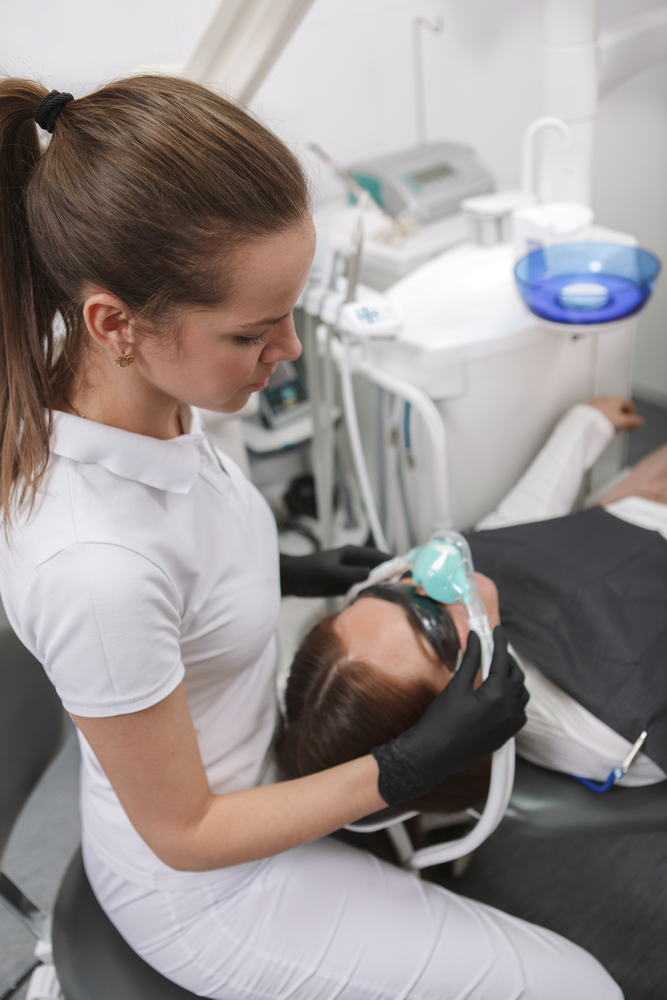
Sedation cost usually rises with depth. Nitrous oxide costs the least, oral medication costs more, and IV sedation costs the most. A 2026 cost analysis found that nitrous oxide may add $25 to $200 to an office visit.
Offices may bill sedation per visit, per hour, or in 15-minute units. Use these figures only to plan your questions, not to predict a bill.
To learn the exact costs for your treatment plan, contact the dental team to verify current plans and rates.
What Changes the Price
Several factors shape the final price:
- The type of sedation used
- How long the appointment lasts
- The level of monitoring needed
- Whether a separate anesthesia provider bills for sedation
Oral sedation involves a prescribed medication and extra chair time. IV sedation adds monitoring and recovery time. Insurance rules, location, and provider training also affect price.
Sedation often carries a separate bill from the dental procedure itself. Ask for a written estimate that lists each charge.
Common Insurance Providers
Dental sedation coverage varies across carriers and plan types. The list below is a general industry overview of carriers that commonly offer dental coverage in the United States.
- Delta Dental
- Cigna Dental
- Aetna Dental
- MetLife Dental
- Guardian Dental
- Humana Dental
- United Concordia
This list is general and does not guarantee that any specific dental office accepts these plans. These carriers belong to the National Association of Dental Plans. That trade group covers the full spectrum of dental benefits companies.
Verify your coverage and accepted plans with the dental team before you schedule a sedation appointment.
Questions to Ask Your Insurer
Coverage rules differ for sedation. Some plans pay only when a provider documents a medical need. A plan may also set age limits or require lighter sedation first. Each carrier sets its own sedation rules, so plan details matter.
Ask your insurer these questions:
- Does my plan cover sedation, and which types?
- Do I need prior authorization?
- Does a separate anesthesia provider bill me?
- What deductible or annual maximum applies?
A written benefit response gives you the clearest answer.
FAQs
How much does sedation dentistry cost?
Cost depends mainly on the type of sedation you receive. Nitrous oxide usually costs less than oral medication, and IV sedation usually costs the most. Longer visits, monitoring needs, and a separate anesthesia provider can raise the total. Ask the dental team for a written estimate that lists each charge.
Is sedation dentistry safe?
Sedation can be a safe choice when your dentist plans it around your health. The American Dental Association says dentists treat millions of patients safely every year. Your dentist reviews your health, allergies, and anxiety level before choosing a sedation type. Tell the team about every medicine and condition.
How to prepare for a sedation dentistry appointment?
Preparing starts with a consultation with the dental team about your health, medicines, and supplements. Arrange a ride home, since oral and IV sedation can leave you drowsy. Follow any eating and drinking instructions the team gives you. Plan a quiet rest of the day so your body can recover.
Can you eat before sedation dentistry?
It depends on the type of sedation, so follow your dental team’s instructions exactly. Some visits allow a light meal, while others require several hours without food. Eating against instructions can raise safety risks, so the team may reschedule. Ask for the exact timing in writing so you know what to expect.
Will I remember anything from a sedation appointment?
Memory depends on the type and depth of sedation you receive. Many patients remember little or nothing after oral conscious sedation or IV sedation. Nitrous oxide usually does not cause memory gaps, and you can still talk with your dentist. Ask your dentist what to expect with your sedation type.