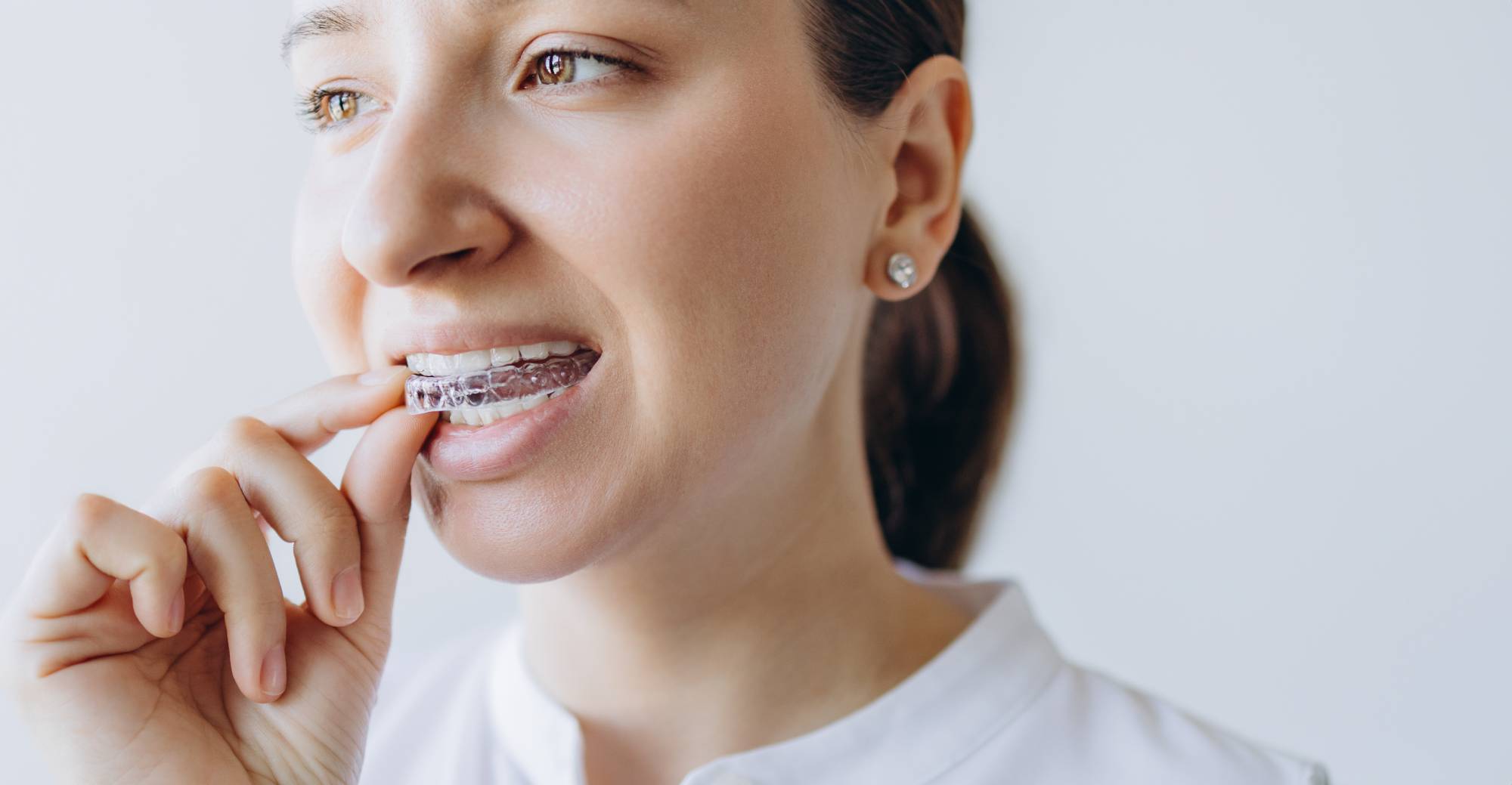
Mazza Center for Implant and Aesthetic Dentistry provides Invisalign in Bethesda, MD, offering clear aligner care at our downtown office. Dr. David Mazza brings a university teaching background in cosmetic dentistry to every case. Our orthodontic care supports your smile transformation and keeps your visits in one place. You get a clear plan before you commit.
Invisalign in Bethesda


Meet Dr. David Mazza
Dr. David Mazza has practiced cosmetic dentistry for over 28 years at Mazza Center for Implant and Aesthetic Dentistry in downtown Bethesda, MD. Since 2000, he has taught as a Clinical Assistant Professor and Dean’s Faculty member at the University of Maryland School of Dentistry. He is a board-certified Diplomate of the International Congress of Oral Implantologists (ICOI) and the American Board of Aesthetic Dentistry (ABAD). He is also an Associate Member of the American Academy of Esthetic Dentistry, an invitation-only organization, and a Fellow Member of the American Society for Dental Aesthetics. Our dental team plans each case around your dental needs and your goals. Alignment is the foundation of every cosmetic result.
Are you experiencing crooked, crowded, or misaligned teeth?
Is invisalign right for you?
Crowded teeth and bite misalignment change how you clean, chew, and smile. An evaluation shows whether orthodontic treatment fits your case. Dr. Mazza reviews your teeth and your goals, then explains your options in plain terms.
Invisalign Treatment Approaches at Our Practice
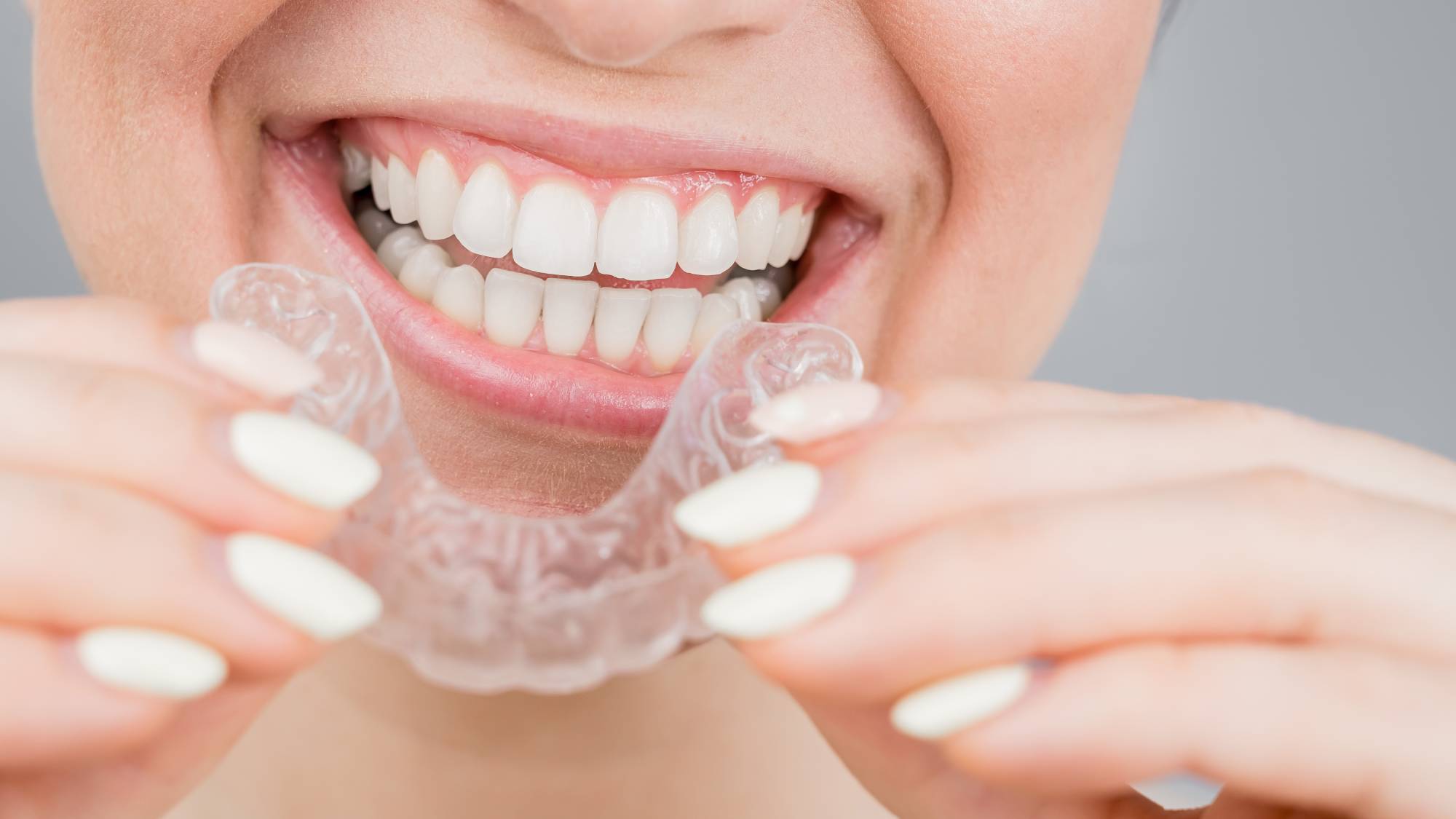
Invisalign Full
Invisalign Full is the complete plan for meaningful crowding, gaps across several teeth, or bite correction. It uses a longer series of aligners. Treatment complexity determines which plan fits you.
Considering Invisalign Full
Full treatment suits larger corrections but needs steady wear.
- Scope: major repositioning responds poorly to short plans.
- Compliance: a full series needs consistent wear over a longer treatment time.
Dr. Mazza reviews wear expectations at your first visit. A systematic review of clear aligner studies found most tooth movements may not be predictable enough to be accomplished with one set of trays.
Invisalign Lite and Shorter Treatment Cases
Mild crowding or small gaps between a few teeth often need a shorter series. This plan uses fewer trays and shortens treatment time.
Considering Invisalign Lite and Shorter Treatment Cases
A shorter series finishes sooner but has limits.
- Speed: qualifying cases use fewer trays.
- Limits: it cannot correct major crowding, an open bite, or large moves.
A scoping review of adult patients found aligner treatment was effective for mild to moderate crowding resolution. The same review described overbite correction as more limited.
Alternative treatments: what happens if you do nothing?

FAQs
How many hours a day do I need to wear my aligners?
Wear your aligners 20 to 22 hours a day. Take them out only to eat, drink anything but water, and practice dental hygiene. Short wear time slows tooth movement and stretches your treatment time. A simple routine helps, such as placing trays in their case at meals. Dr. Mazza reviews your wear habits at each check-in.
Can clear aligner treatment be combined with other cosmetic dental work?
Yes. Alignment usually comes first, so veneers or bonding sit on teeth in their final positions. Placing veneers too early can affect their fit and lifespan. Other cosmetic dentistry steps, such as whitening, follow the same order. During your consultation, Dr. Mazza recommends a sequence for your whole smile and explains the timing of each step.
What happens if I lose or damage an aligner tray?
Contact the practice as soon as you notice a lost or damaged tray. Dr. Mazza may advise you to move to the next tray, return to the previous one, or order a replacement. A gap in wear without guidance can let teeth shift back. Early contact protects your schedule and limits delays. Keep old trays safe.
Does Invisalign work for patients who’ve had previous orthodontic treatment?
Often, yes. Patients whose teeth shifted after braces are frequently good candidates for retreatment if their teeth are healthy. Dr. Mazza reviews your history at your evaluation because it shapes your plan. A new scan shows how far your teeth moved. Relapse usually builds slowly, so many adults seek a second round years later.
Is Invisalign suitable for teens?
Often, yes, for older teens with fully erupted permanent teeth. Teen aligner versions include wear indicators that help track wear time. Suitability depends on the case and the teen’s ability to keep up the schedule. Dr. Mazza gives a straightforward assessment at the evaluation. Parents can join the visit and ask questions.