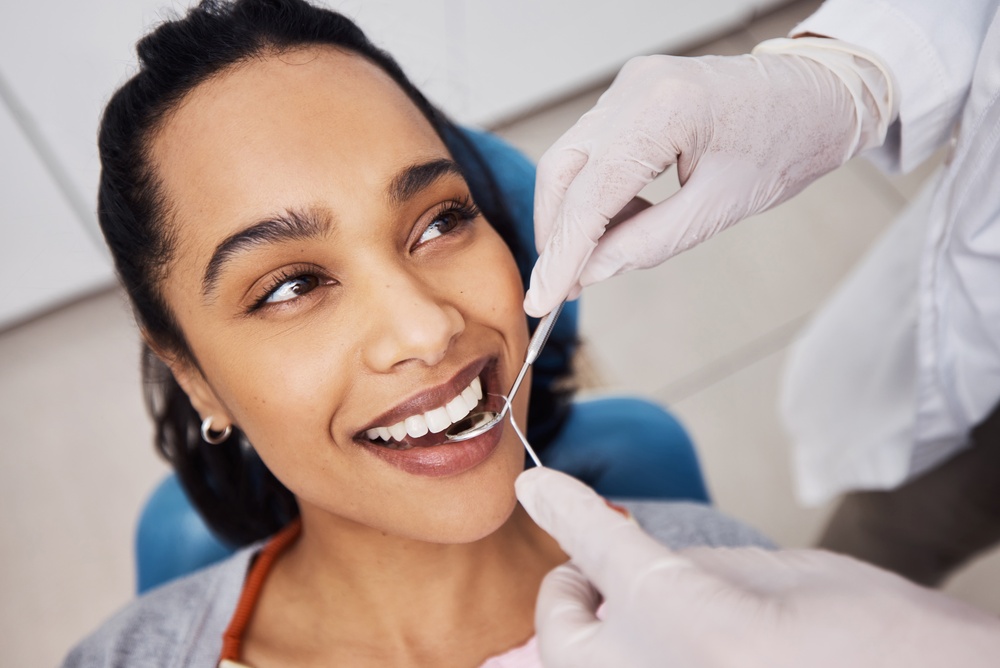
In clinical terms, gum contouring reshapes gum tissue to correct deformities. Dentists call it gingivoplasty, a technique related to gingivectomy but with a different purpose. Dr. David Mazza of Mazza Center for Implant and Aesthetic Dentistry explains why your gum line shapes your smile.
Gum Contouring


Meet Dr. David Mazza
Dr. David Mazza has practiced cosmetic dentistry for over 28 years. He has served as a Clinical Assistant Professor at the University of Maryland School of Dentistry since 2000. He also serves on the Dean’s faculty there. Dr. Mazza is a board-certified Diplomate of the International Congress of Oral Implantologists (ICOI).
He is also a board-certified Diplomate of the American Board of Aesthetic Dentistry (ABAD). He is an Associate Member of the American Academy of Esthetic Dentistry, an invitation-only organization. He is also a Fellow Member of the American Society for Dental Aesthetics. He emphasizes a patient-centered approach to care. Dr. Daniel Mazza works alongside him and contributes to the team’s cosmetic and restorative care.
Conditions, Symptoms, and Pain
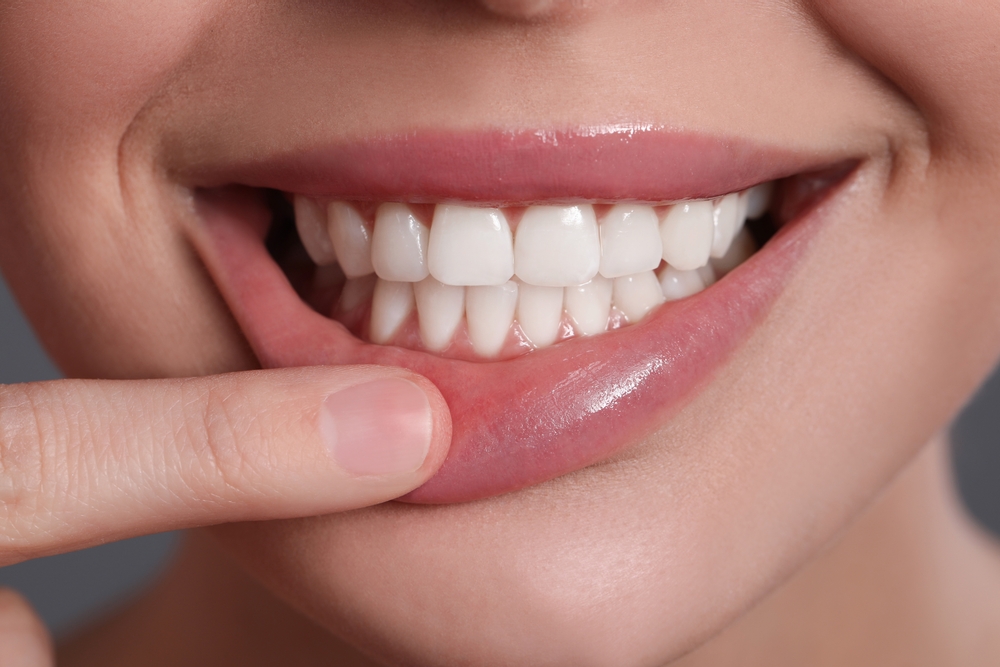
You may consider this procedure if excess gum tissue covers your teeth or your gum line looks uneven or asymmetrical. These conditions rarely cause pain, yet they can affect your confidence and the results of other treatments such as veneers. Reshaping or removing excess gum tissue can balance your gum line and show more of each tooth. Research reports that about 10% of people have excess gum display, more often in females.
Recognizing the Problem
Many people first notice their gum line in a photo. A full smile in a picture shows proportions that a mirror can hide. What you see there is a real observation, and you do not need to dismiss it.
Common things people notice include:
- A band of gum tissue that dominates the upper smile
- One side of the gum line sitting higher than the other
- Teeth that look short or compressed instead of full length
Gum tissue height comes from several factors:
- Genetics
- Medicines
- Past orthodontic care
Altered passive eruption means your gum tissue stays higher on the tooth than usual. In one study of adults with a gummy smile, it was the main cause for about 73% of participants. That means your concern often has a clear and treatable explanation.
How the Concern Often Comes Up
Some people first hear about their gum line during a talk about veneers or a smile makeover. A dental professional may note that the tissue needs attention before the planned work. Others have known for years and assumed the shape could never change.
In many cases, a gum line you thought was permanent can change through a simple clinical procedure.
Why the Cause Matters
A gummy smile can come from several places:
- The gums
- The teeth
- The jaw
- The lip
Only an exam can tell which one applies to you. Treatment works best when it matches the cause. Reshaping gum tissue does not fix a problem that starts in the lip or jaw.
When Should You Seek a Professional?
No single moment tells you when to ask about gum reshaping. Research indicates that successful gummy smile care depends on accurate diagnosis.
A professional evaluation may help if you notice any of the following:
- You stay unhappy with how your gum line looks.
- Your gum tissue affects the fit or look of existing dental work.
- Your gum tissue seems to have shifted or receded over time.
- Your teeth look too short next to the surrounding gum tissue.
An exam also helps if you plan a smile makeover or Invisalign. Your gum line changes how those results look when treatment ends.
If dental visits make you anxious, sedation dentistry can make the exam more comfortable.
A trained professional can help in two ways:
- Assess your tissue and explain what reshaping involves
- Tell you whether other factors need attention first
An exam gives you clear information about the cause and your options.
Prevention and Hygiene Education
Reshaping changes your gum tissue, but healthy surrounding tissue keeps the result stable. If poor hygiene weakens your gums, your gum line can shift later. Brushing, flossing, and professional cleanings help your result last. Public health guidance says you can largely prevent oral diseases, including gum disease, with professional care and daily self-care.
Everyday Habits That Protect Your Gums
These daily habits protect your gum tissue:
- Brush twice a day.
- Floss once a day.
- Brush gently to protect gum tissue.
- Keep dental visits as your dentist recommends.
Oral disease can stay hidden until it becomes serious, so routine check-ups matter. Check-ups also let you and your dentist discuss your personal risks. Tobacco use and diabetes raise your risk of gum disease, so mention both to your dentist.
Gum Recession and Your Results
Gum recession develops slowly and often causes no symptoms until tooth roots show. Recession moves your gum line in the opposite direction from reshaping. These habits can contribute, so discuss them with your dentist:
- Hard brushing
- Tobacco use
- Untreated teeth grinding
Teeth whitening, cosmetic bonding, and veneers look best with stable gum tissue. Consistent gum care also protects your investment in cosmetic dental treatment.
Good daily care supports both your gum health and your results.
Popular Home Remedies for Gum Appearance
You may look for at-home fixes before seeing a dentist. Commonly circulated remedies include:
- Saltwater rinses
- Oil pulling
- Aloe vera gel
- Over-the-counter whitening products for gum color
- Gum massage to change tissue shape
A national survey found about half of U.S. adults with an oral health problem used a home remedy. Many people turn to home remedies when they cannot reach routine dental care. Online forums and social media often promote these ideas.
Some remedies support tissue health, while others only promise to reshape tissue. These habits have real value for your gum health:
- Saltwater rinses can help soothe your mouth after a procedure.
- Brushing and flossing protect against gum damage that can change your gum line.
They cannot change the height, shape, or symmetry of your gum tissue.
Some remedies are unsafe, such as placing aspirin powder on your gums. Ask your dentist before you try a new product on your gums. A dentist can explain which habits help your gums and which do nothing.
If months of home care changed nothing, you did not fail.
What the Research Says
Research suggests saltwater rinses may support overall gum health. No common at-home remedy has clinical proof that it reshapes gum tissue. One meta-analysis of randomized trials found no clear difference in plaque or gum scores between oil pulling and control groups.
That meta-analysis measured plaque and gum inflammation scores, not gum height or shape. This gap explains why home care helps gum health but not gum shape.
Clinical literature also describes laser reshaping as:
- Precise
- Causing less bleeding during the procedure than scalpel methods
- Sealing tissue as it works, which supports faster recovery
Professional reshaping removes or sculpts tissue directly, which no rinse or oil can do. Healing after reshaping varies by person and by method. Your dentist can explain what recovery looks like for your case.
If home methods have not changed your gum line, a professional evaluation can show whether a procedure fits.

Cost and Insurance
Dentists widely perform this cosmetic procedure, and many patients find the cost manageable with financial planning. Industry averages and standards can give you a general idea of what to expect.
Industry Average Pricing
Industry averages give you a general reference point for cost. These numbers are not a quote or estimate from the practice. Please contact the team directly to verify exact plans and rates.
What Affects the Cost
Cost varies with several factors:
- The number of teeth involved
- How much tissue needs reshaping
- The technology used during the procedure
- The location of the practice
Ranges are wide because treatment varies so much from person to person. One tooth costs far less than a full row of visible teeth. Prices also differ between a general dentist and a specialist.
Ask for a written estimate that lists each tooth and each step. A written estimate helps you compare the same scope of work. Ask which items your quote includes:
- Anesthesia
- Sedation
- Follow-up visits
Industry averages describe typical cases, not your case.
How Dental Plans Treat This Procedure
Coverage depends on whether your plan treats the procedure as cosmetic or medically necessary. Plans usually do not cover reshaping done only for looks. Reshaping for a restorative reason, such as crown lengthening before a crown, may earn partial coverage, depending on your plan.
Follow these steps to learn what applies to you:
- Review your plan details.
- Speak with both your insurance provider and the dental team.
Together they can tell you what coverage, if any, applies to you.
Ask your insurer two questions:
- Which billing code applies?
- Do I need pre-authorization?
A written pre-approval can settle the cosmetic versus restorative question before treatment. Plan rules change often, so confirm details each year.
Common Insurance Providers
The list below represents insurance providers commonly associated with cosmetic and periodontal dental procedures across the industry. Industry enrollment reports name these carriers among the largest in the U.S. dental market:
- Dentegra and other Delta Dental Plans Association affiliates
- MetLife
- Sun Life (DentaQuest)
- UnitedHealth Group
This is a general industry reference, and it may not match the providers the practice accepts. Please verify coverage and provider participation with the team before you schedule.
FAQs
How much does gum contouring cost?
Cost depends mostly on how many teeth need reshaping and how much tissue changes. The tools used and the location of the practice can also change the price. Ask for a written estimate that lists each tooth and each step. Ask which items the estimate includes, such as sedation and follow-up visits.
Does gum contouring hurt?
Your dentist numbs the area first, so you shouldn’t feel pain during treatment under local anesthetic. Soreness or tenderness can follow once the numbness fades. Your dentist will explain how to brush and rinse near the area while it heals. Ask which pain relief fits your health history.
Is gum contouring permanent?
Not always, because your gum line can still change after reshaping. Gum recession, tobacco use, and hard brushing can all move your gum line over time. Regular cleanings and gentle brushing help protect your result. Ask your dentist how stable your result should be given your gum health and daily habits.
How long does gum contouring take to heal?
Your gums may look healed in about two weeks, but deeper tissue can take longer. In one study of laser gum surgery, every wound looked healed by week two; all wound surfaces were completely healed. Your dentist can give you a timeline for your case. Call your dentist if pain or bleeding gets worse instead of easing.
Who is a good candidate for gum contouring?
You may be a candidate if excess gum tissue covers your teeth or your gum line looks uneven. Your dentist first checks whether the cause is in the gums, the teeth, the jaw, or the lip. Your dentist can also review your medical history and gum health. Ask what to expect from the exam.