
Dr. David Mazza offers CEREC same-day dentistry, which uses CAD/CAM to improve the design and creation of dental restorations. Mörmann and colleagues developed a CAD/CAM system called CEREC to make ceramic inlays at the chairside. At Mazza Center for Implant and Aesthetic Dentistry, you can often restore a damaged tooth in one visit.
CEREC Same-Day Dentistry


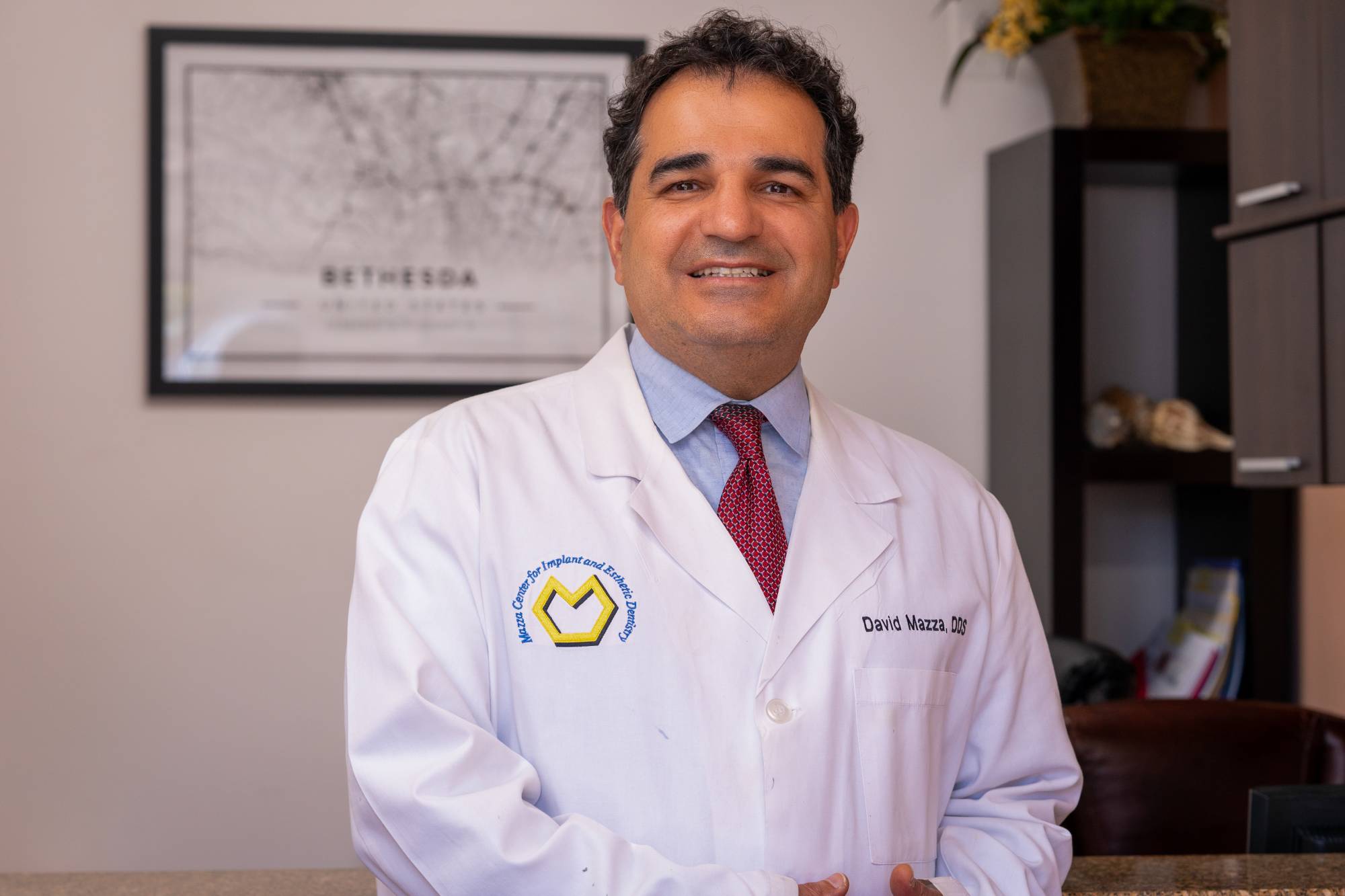
Meet the Doctor
Dr. David Mazza has practiced cosmetic dentistry for over 28 years. He also has over 25 years of teaching experience. He teaches as a Clinical Assistant Professor and Dean’s faculty at the University of Maryland School of Dentistry. He has held that role since 2000.
He is a board-certified Diplomate of the International Congress of Oral Implantologists. He is also a board-certified Diplomate of the American Board of Aesthetic Dentistry. Dr. Mazza is an associate member of the American Academy of Esthetic Dentistry, an invitation-only organization. He is also a fellow member of the American Society for Dental Aesthetics. He provides patient-centered care. Dr. Daniel Mazza also serves on the dental team.
Conditions, Symptoms, and Pain Addressed by CEREC Technology
Decay, cracks, worn enamel, and chipped edges are common reasons adults seek restorative care and pain relief. CDC survey data show that among adults aged 20–64, 91% had dental caries, which includes treated and untreated decay.
A cracked or decayed tooth can cause sensitivity, further damage, and infection if left untreated. Same-day ceramic restorations address these problems by scanning, designing, milling, and placing the final tooth in one visit.
Recognizing the Problem
Tooth damage does not always cause obvious pain. Many people notice smaller changes before any strong discomfort starts. Learning those early signs helps you act sooner.
Common Signs You May Notice
You may notice one or more of these signs:
- A sharp edge where enamel has chipped
- A dull ache when you bite down on one side
- Lasting sensitivity to hot or cold food
- Discoloration on one tooth, not your whole smile
- Discomfort under pressure on a tooth that looks fine
Signs That Are Easy to Miss
Some signs come and go, which makes them easy to ignore. A twinge on Monday may fade by Wednesday, but the problem can remain. Note which tooth hurts and when.
Discoloration on a single tooth differs from general staining. It can show that the tooth’s interior has changed. A tooth that looks fine can also hold a crack you cannot see.
Clinical literature identifies sudden, sharp pain when biting down as the most commonly reported sign of a cracked tooth. Knowing this pattern helps you describe your symptoms clearly to a dentist.
When should you seek a professional?
Teeth cannot regrow enamel or repair a fracture on their own. Damage tends to grow over time instead of healing.
A small area of damage may need only an inlay or onlay. A tooth that keeps breaking down may need a full crown. Waiting can lead to a larger repair.
Dentists commonly suggest a visit when you notice these signs:
- Pain or sensitivity that lasts more than a few days.
- A chip, crack, or sharp edge you can feel with your tongue.
- Pain when you bite down or let go of a bite.
- A filling or crown that feels loose or broken.
These signs do not always mean an emergency. They do mean a dentist can check the tooth and explain your options.
Seeking care at the first sign of damage preserves the tooth structure needed for a one-visit restoration.
Comfort Options for Dental Anxiety
Anxiety keeps many people away from dental care. Sedation dentistry is a comfort option that can change when you feel ready to visit.
Published research on dental anxiety notes that treatment under sedation has helped more anxious patients receive necessary dental care.
Prevention and Hygiene Education
Daily habits and regular visits protect your teeth from the damage that can lead to crowns, inlays, onlays, and veneers. Small daily steps lower the chance you will need a larger restoration.
Daily Habits That Protect Your Teeth
These habits help prevent decay and erosion:
- Brush twice a day with fluoride toothpaste.
- Floss once a day to clean between your teeth.
- Keep cleaning visits on the schedule your dentist suggests.
- Limit acidic drinks and sugary snacks.
- Avoid chewing ice, pens, or other hard objects.
- Replace your toothbrush every three to four months.
ADA guidance recommends brushing twice a day and cleaning between teeth daily.
Diet and Night Grinding
Acid and sugar harm enamel most when they repeatedly touch your teeth throughout the day. Finishing a drink in one sitting gives your enamel time to recover.
Night grinding wears enamel faster than daily brushing can offset. A custom night guard targets that specific cause of damage.
Teeth whitening, gum contouring, and gum whitening can support long-term care when they match your restorative work.
Popular Home Remedies
Many people reach for over-the-counter products when they notice a chipped tooth, a rough edge, or sensitivity. They often try these before they book a visit.
Temporary Fixes People Try
Common at-home options include:
- Temporary filling material for cavities or lost fillings
- Dental repair putty for chips and rough edges
- Bonding kits sold at pharmacies
- Whitening strips and trays for discoloration
- Whitening toothpaste and rinses
Pharmacies sell these products widely and market them for these exact problems. Social media often promotes these kits too.
Whitening Products at Home
People often use whitening strips on discoloration they blame on surface stains. Sometimes the cause sits inside the tooth.
One survey of adults in Saudi Arabia found high awareness of OTC whitening products, with 53.6% reporting prior use.
People choose these products because they cost less and feel easy to use. They can offer short-term relief or a cosmetic change while you decide about care.
What the Research Says
Research indicates that over-the-counter repair products and professional restorations work differently.
Temporary filling compounds can ease sensitivity and keep food out of an open cavity. They do not bond to tooth structure the way a milled restoration does. They also seal the edges less precisely.
Studies comparing chairside-milled restorations with other options point to strong fit and durability in milled versions. Chairside milling lets a dentist shape the restoration from a digital scan of your tooth.
What Studies Say About DIY Kits
Research also indicates that DIY tooth filling kits can carry real risks. A 2025 dental journal report notes the harmful damage they can cause.
That report describes a case that led to planned root canal treatment. The person reapplied the same material whenever the filling loosened.
The report also calls for public education about the risks of DIY kits. The research does not call every over-the-counter product harmful. Temporary materials aim to protect a tooth for a short time, and a dentist places the lasting repair afterward.


Cost and Insurance
Understanding the financial side of same-day restorative care helps you prepare for the conversation with your dental team. One visit can remove the cost of a temporary crown and a second trip.
Industry Average Pricing
Prices for same-day restorations vary by office and region. Same-day crowns often cost about the same as traditional crowns, or slightly more.
What Affects the Price
These factors shape the final price:
- The type of restoration, such as a crown, inlay, onlay, or veneer
- The location of the tooth in your mouth
- The amount of repair the tooth needs
- The ceramic material your dentist selects
- Whether you need a build-up first
National Average Range
One national source bases its figures on ADA fee survey data and updated them in May 2026. That source reports an industry average range of 1,005-2,630 for a same-day crown.
These figures are industry averages from national data. They do not reflect the pricing of any specific practice. Contact the team directly to discuss your situation and verify current rates before your appointment.
Costs That May Bill Separately
Prices in large cities often run higher than prices in smaller markets. Some costs may bill separately, such as x-rays or a root canal if decay reaches the nerve.
Ask what the quote covers before you agree. Knowing these averages helps you ask clear questions about your own plan.
Common Insurance Providers
Dental plans often cover part of the cost of restorative care such as crowns, inlays, and onlays. Coverage for cosmetic uses, such as veneers, varies by plan.
Many plans treat crowns as major restorative care and pay a share of the cost up to an annual limit. Coverage often depends on the procedure code, not on how the dentist makes the restoration.
In a 2023 industry study, Aetna Dental ranks highest in overall customer satisfaction. The study also measured these carriers:
- Humana Dental
- United Concordia Dental
- MetLife Dental
- UnitedHealthcare Dental
- Guardian Access Dental/Premier
This is a general industry list, not a guarantee of which plans any specific office accepts. Contact the team to verify your plan and confirm what it covers before you schedule.
Questions to Ask Your Plan
Your plan documents list your deductible, yearly limit, and covered services. Ask your plan for a written estimate before treatment starts. You can ask your plan these questions:
- Does my plan cover crowns, inlays, or onlays?
- What share of the cost does my plan pay?
- What is my yearly maximum?
- Do I need approval before treatment?
Checking coverage early helps you plan your costs.
FAQs
What are CEREC crowns made of?
Dentists mill CEREC crowns from a solid ceramic block. Common ceramic types include lithium disilicate and zirconia, and your dentist picks the one that fits your tooth.
How long do CEREC crowns last?
Many CEREC crowns last a decade or longer. Your brushing habits, grinding, and bite all affect how long a crown lasts.
Are CEREC crowns good?
For many people, yes. You get a final tooth in one visit, and your dentist decides whether this method suits your tooth.
How much does a CEREC crown cost?
Industry averages vary widely by tooth, material, and region, and same-day crowns often cost about the same as traditional crowns. These are general industry figures, not this practice’s pricing, so contact the team to verify current rates.
Are CEREC crowns durable?
Ceramic crowns made this way are a common choice for back teeth, where chewing forces are strongest. Grinding can wear any crown, so ask your dentist about a night guard.