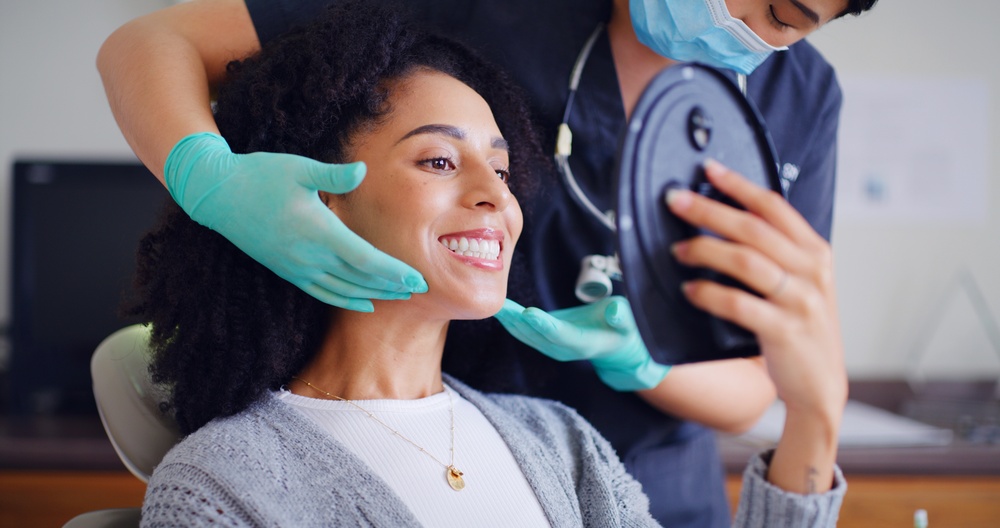
In dentistry, cosmetic bonding is a technique that attaches tooth-colored resin to a tooth surface to correct minor flaws. Adhesive dentistry, the field behind this technique, began in 1955 with a paper from Dr. Michael Buonocore on acid etching. At the Mazza Center for Implant and Aesthetic Dentistry, Dr. David Mazza explains how it fills chips, stains, and gaps.
Cosmetic Bonding



Meet the Doctor
Dr. David Mazza has practiced cosmetic dentistry for over 28 years. His care follows a patient-centered approach. He holds board certifications from the International Congress of Oral Implantologists (ICOI) and the American Board of Aesthetic Dentistry (ABAD). He has served as a Clinical Assistant Professor at the University of Maryland School of Dentistry since 2000. He also serves on the Dean’s faculty there.
He has more than 25 years of teaching experience. He is an associate member of the American Academy of Esthetic Dentistry, an invitation-only organization. He is also a Fellow member of the American Society for Dental Aesthetics. These credentials reflect long-term training, teaching, and hands-on clinical practice in cosmetic and implant dentistry.
Conditions, Symptoms, and Pain
Bonding treats chipped enamel, stained teeth, small gaps, minor misalignment, and teeth that look shorter from wear. A global meta-analysis reported a tooth-wear prevalence of 40.8% across general populations.
These concerns aren’t always painful, but they can change how you feel about your smile and how you chew. A dentist shapes and polishes the resin to match nearby teeth, which often avoids larger restorative work.
Recognizing the Problem
Chips often show up right away. Other concerns develop slowly, so you may miss them for months.
Signs You Can Spot at Home
Looking at your teeth in good light can help you spot subtle changes. You may notice one or more of these signs:
- A rough or uneven edge on one tooth
- One tooth that differs in color, shape, or length
- A tooth that looks shorter than it once did
- Stains that no longer lift with whitening products
Why Changes Happen Slowly
Enamel wear from acidic foods or nighttime grinding can shorten a tooth over time. Stains from coffee, tea, or some medicines can deepen gradually. Over time, whitening products may stop delivering the results you want.
Dental appearance research notes that satisfaction with tooth color decreases as discoloration worsens. Small changes are easy to overlook, so paying attention to them is a reasonable first step.
These changes are common, and a professional can explain what each one means.
When should you seek a professional?
Some concerns can wait for a routine visit. MedlinePlus notes that a chipped tooth that is not badly fractured can usually be handled on a nonemergency basis. Other situations benefit from earlier attention.
A dentist can tell whether a change is cosmetic or needs treatment.
Situations That Can Wait
Small cosmetic changes, such as light staining or a tiny chip, usually allow time to plan. Noticing a change does not mean something serious is happening. Many of these concerns are cosmetic and can wait for a routine visit.
Situations That Need Attention Sooner
A professional evaluation adds value in these situations:
- A chip with a sharp edge that irritates your cheek or tongue
- A crack that causes sensitivity when you bite or drink something cold
- Discoloration that keeps deepening despite regular home care
- Pain that lasts or gets worse over several days
A chip can also catch on food, which makes eating less comfortable.
Dental anxiety keeps many people from scheduling visits. Sedation dentistry can make an appointment more comfortable if anxiety is a concern.
If your schedule is tight, CEREC Same-Day Dentistry can complete some restorations in one visit. Pain, swelling, or a loose tooth needs prompt attention.
Prevention and Hygiene
Daily habits can prevent many of the concerns listed above. Small changes can protect your teeth for years.
Daily Habits That Protect Enamel
Try this simple routine:
- Brush twice a day with a fluoride toothpaste to remove plaque before it causes decay or stains.
- Floss daily to clean between teeth where bristles cannot reach.
- Limit acidic drinks and rinse with water afterward.
- Wear a custom mouthguard during contact sports.
- Ask about a nightguard if you grind your teeth.
Regular cleanings remove buildup that brushing and flossing miss. Your dentist can check enamel wear during routine visits. Start with one change, and add the others over time.
Foods and Drinks to Limit
Acid from citrus juice, vinegar dressings, and soda gradually wears away enamel. Eating or drinking these less often reduces the damage.
Choosing water over soda between meals protects enamel.
Mouthguards and Nightguards
A mouthguard protects teeth from impacts that cause chips and fractures. A nightguard reduces enamel wear from grinding. Avoid using your teeth to open packages or bite hard objects.
You can also discuss teeth whitening and gum whitening as part of dental aesthetics.
Popular Home Remedies
Many people try at-home products before they see a dental professional. These products are easy to find and familiar to most people. Trying them first is a natural response while you decide whether to seek professional care.
Whitening Strips and Toothpastes
Over-the-counter whitening products have become popular. Whitening strips target surface stains and discoloration.
Chip Repair Kits and DIY Compounds
Pharmacies and online stores sell temporary chip repair kits as short-term fixes. Chip repair kits and DIY compounds promise a quick fix for minor chips or rough edges.
Enamel-Strengthening Toothpastes
Consumer health content often recommends enamel-strengthening toothpastes to protect tooth surfaces. Each product works differently, and results vary from person to person.
Labels list directions, so read them closely before you start. Knowing what each product claims helps you set realistic expectations.
What the Research Says
Research indicates that over-the-counter whitening products can lighten surface stains. A 2021 review found no sound evidence that they promote a better bleaching effect than professional products.
Surface stains sit on the outside of the tooth, so products reach them more easily. Deeper stains sit inside the tooth, where most home products work less well.
What Studies Found About Whitening Products
The review covered toothpastes, rinses, gums, paint-on varnishes, and strips. Researchers question how well most of these products bleach teeth. Whitening toothpastes contain abrasives that can wear the tooth surface without real bleaching.
Charcoal products also lack evidence that they improve whitening. Strips contain hydrogen peroxide and are the only over-the-counter option able to bleach.
Where Home Products Fall Short
Research also indicates that careless use may irritate tooth tissue or gums. In plain terms, the findings point to three ideas:
- Strips can bleach, but not better than professional options
- Toothpastes and charcoal products show little proof of real bleaching
- Careless use can irritate teeth and gums
These findings don’t mean every home product is worthless. They show that home products may not match professional results.
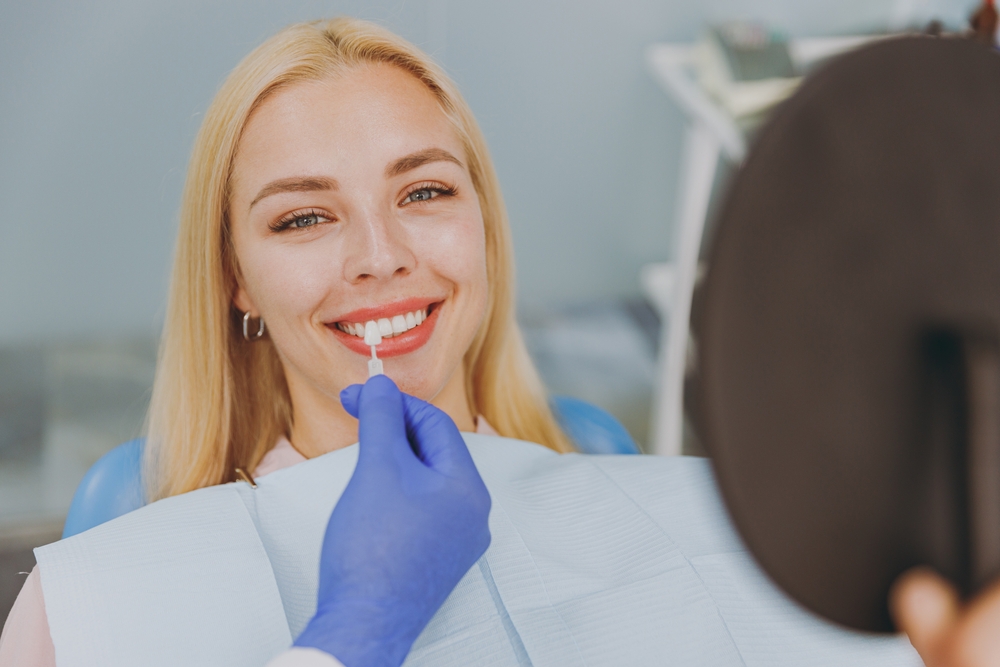
Cost and Insurance
Industry averages place bonding among the more affordable cosmetic dentistry options, keeping financial risk low for many patients. Knowing the pricing and coverage landscape before your appointment helps you plan without surprises.
Industry Average Pricing
Industry data suggests bonding typically costs between $ 215 and $ 560 per tooth. A population-weighted national estimate built on ADA fee survey data produced that range. The source updated the estimate in May 2026.
These figures are industry averages. They do not reflect the pricing at any specific practice. Contact the team directly to verify exact plans and rates for your situation.
What Changes the Price
Several factors move a price up or down:
- Number of teeth treated
- Size of the chip or gap
- Extra reshaping beyond a simple repair
- Dentist experience with bonding
- Practice location, since coastal metro practices often charge more
Bonding often costs less than veneers or no-prep veneers. A small chip takes less time than reshaping a tooth or closing a gap.
What a Quote Usually Includes
Offices bundle services differently, so quotes can look alike but cover different items. Many quotes include etching, resin, shaping, curing, and polishing. Anesthesia and future replacement may bill separately.
Ask which services the quote includes before you agree. Ask how many teeth it covers and what the per-tooth fee is. Ask what replacement costs if the bonding wears down.
How Coverage Usually Works
Coverage depends on your plan and the reason for the procedure. Plans may cover part of a repair when a chip or crack affects function. Plans often exclude purely cosmetic work.
Common Insurance Providers
The list below reflects insurance providers commonly linked with dental coverage in the industry. It draws on plans listed by the National Association of Dental Plans, the recognized resource of the dental benefits industry.
This is a general industry list. It does not guarantee which providers any specific practice accepts.
- Aetna Dental
- Cigna
- Delta Dental
- Guardian
- MetLife
- United Concordia Dental
Plan names and benefits change, so check your own policy documents.
Questions to Ask Your Insurer
Ask your insurer whether the procedure counts as restorative or cosmetic. That label often decides whether a plan pays part of the cost. Look for the annual maximum, the waiting period, and any limits on bonding.
Coverage rules differ by employer, plan type, and state. Your insurer can confirm in writing what a claim will pay. Keep a copy of that confirmation with your records.
Reach out to the team to verify your coverage before your appointment. Checking early helps you avoid surprise bills.
FAQs
How much does cosmetic dental bonding cost?
Dentists bill bonding per tooth, so your total depends on how many teeth you treat. Larger chips, gap closures, and extra reshaping take more time, which can raise the fee. Practice location and dentist experience also affect the price. Ask for a written quote that lists what the fee includes before you start.
How long does cosmetic bonding last?
Bonding often lasts several years, though how long depends on the tooth and your habits. In one four-year clinical study of gap closures and reshaped front teeth, the overall survival rate was 90.3 %. Hard foods, ice, and nail biting can shorten that time. Regular visits let your dentist spot wear early and repair small chips.
How long does cosmetic bonding take?
Dentists can often finish bonding in a single office visit. Your dentist matches the resin shade, applies it, shapes it, hardens it with a light, and polishes it. More teeth or larger repairs take longer, so ask how long your visit will take. If you plan Invisalign treatment, your dentist usually places bonding after alignment ends.
Can cosmetic bonding be removed?
Yes, a dentist can remove bonding resin from your tooth. Your dentist uses fine burs or polishing discs to remove the material. Different removal methods affect enamel differently, so ask your dentist which method they plan to use. Veneers and no-prep veneers are other options if you later want a different look.
Does the bonding procedure hurt?
Most patients feel little discomfort because bonding usually needs no drilling or anesthesia. Your dentist may use numbing medicine if the tooth is decayed or very sensitive. If you feel anxious, ask about sedation dentistry options for a calmer visit. Tell your dentist about any sensitivity so they can adjust the plan.