Mazza Center for Implant and Aesthetic Dentistry offers All-On-X, built on ‘all’ teeth being supported ‘on four’ dental implants. The idea grew from earlier implant work and consolidated before its name was coined in 2003. This history shows why Dr. David Mazza and other dentists match care to tooth loss and bone density.
All-On-X


Meet the Doctor
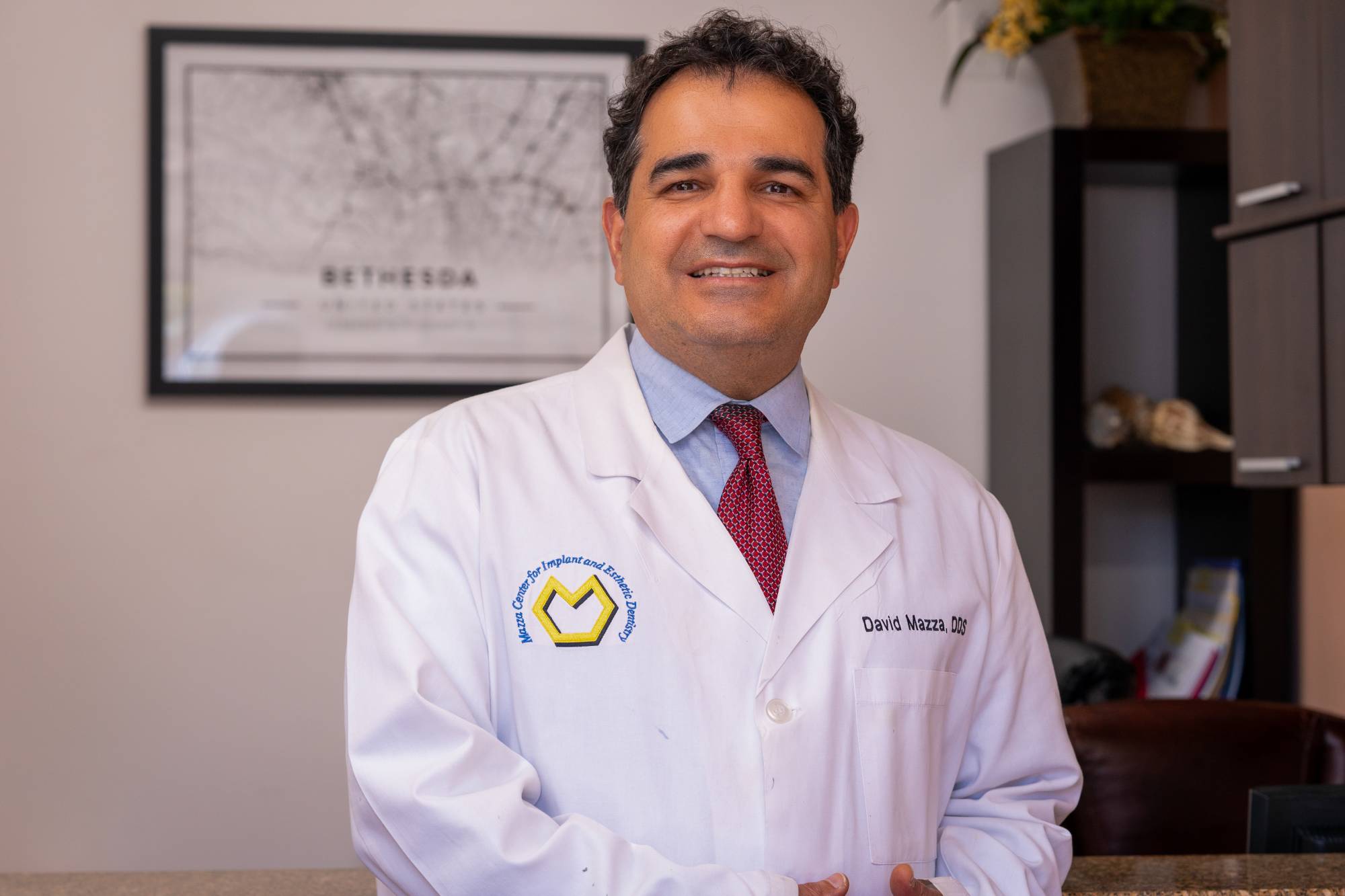
Dr. David Mazza has practiced cosmetic and implant dentistry for over 28 years. He has been a Clinical Assistant Professor and Dean’s Faculty at the University of Maryland School of Dentistry since 2000. He is a board-certified Diplomate of the International Congress of Oral Implantologists. He is also a board-certified Diplomate of the American Board of Aesthetic Dentistry.
Dr. Mazza is a Fellow member of the American Society for Dental Aesthetics. He is an Associate member of the American Academy of Esthetic Dentistry, an invitation-only organization. His clinical work includes implant placement, full-arch restoration, and smile makeover procedures. He also brings over 25 years of teaching experience to patient care.
Conditions, Symptoms, and Pain
Tooth loss, gum disease, and weak jawbone are common reasons you might consider full-arch implant restoration. When teeth fail, the jawbone shrinks because tooth roots no longer stimulate it, and chewing becomes harder. National survey data show that 17.3% of seniors aged 65 and older have no remaining teeth.
This procedure anchors a full arch of teeth to the jawbone, unlike veneers, which only change existing teeth.
Recognizing the Problem
Many people live with missing or failing teeth for years before they learn that a fixed option exists. That is common, and noticing the signs early gives you more choices. Loose teeth, sore gums, or a thinner-looking jaw can signal changes in your mouth’s structure. Health guidance notes that gum disease can be painless and sometimes hard to detect, so signs are easy to overlook.
Everyday Signs You Might Notice
Everyday clues can help you notice a change. Food may catch more often under a bridge or denture, and chewing may feel harder than it used to. Your dentures may fit differently over time, which can signal bone loss even when nothing hurts. Some people also smile less because they feel unsure about their teeth.
Changes to Your Face
Your face can change too. When the jawbone shrinks, the lower face may look sunken at rest, which reflects real bone loss. This is one reason dentists view full-arch implant restoration as both functional and aesthetic.
What a Dental Exam Shows
A dental exam can confirm what you see in the mirror. Your dentist can use X-rays and a gum check to measure bone and tissue health. Knowing the cause helps you compare your choices with less worry. Spotting these signs early gives you more time to decide.
When should you seek a professional?
You do not need severe pain to ask for an evaluation. Many bone and gum changes cause little discomfort at first.
Signs to Watch For
Consider scheduling an evaluation when you notice any of these changes:
- Several missing or failing teeth
- Loose teeth or sore gums that do not settle
- Dentures that slip, click, or need frequent adhesive
- A change in how your face looks at rest
Why Timing Matters
Early checks matter because the jawbone loses stimulation after tooth loss, and options can narrow over time. Peer-reviewed literature reports that jawbone collapse after an extraction occurs mainly in the first three months. That timing is one reason a dentist may suggest an early evaluation.
What an Evaluation Involves
A dentist can check your bone volume, gum health, and overall mouth structure. The results show whether full-arch restoration fits your case or whether another option suits you better. A visit doesn’t commit you to any treatment and gives you information to make an informed choice.
Three-dimensional cone beam CT scans show bone density and volume in detail. Dentists use them to find jaw areas where implants can sit at angles that add stability. This planning can help people who have too little bone for standard implants.
If you wear dentures, a regular fit check is also useful. Your dentist can tell you when a reline or replacement makes sense. Write down your questions before the visit, and bring your dentures or a list of your concerns. Early visits also give your dentist a baseline to compare against later. Knowing the right timing helps you decide when to ask for an evaluation.
Prevention and Hygiene Education
You can prevent many causes of full-arch tooth loss with steady home care and regular dental visits. Gum disease causes many adult tooth losses, and early care can slow it. The American Dental Association recommends that adults see a dentist regularly for checkups and professional cleanings.
Daily Habits
Small daily steps add up over time. A two-minute morning and evening routine takes little effort. Set a reminder if you tend to skip flossing. These habits protect natural teeth and implants:
- Brush twice a day with fluoride toothpaste.
- Clean between your teeth every day.
- Avoid tobacco in every form.
- Replace your toothbrush every three to four months.
- Eat a balanced diet and limit snacks between meals.
These habits lower bacteria around teeth and implants. They also reduce your risk of peri-implant disease, the implant form of gum disease. If you already have implants, keep every scheduled cleaning, since your dentist checks the tissue around each implant then.
Regular Dental Visits
Regular visits let your dentist catch small problems early. Cleanings remove hardened plaque that brushing cannot reach. Early treatment can help keep more of your natural teeth and bones in place.
General Health and Healing
General health matters too. Uncontrolled diabetes, some autoimmune disorders, and long-term medicines that affect bone density can influence tooth loss and implant healing. People with these conditions can still receive implants, but a health review before treatment helps address healing risks early. Tell your dentist about every medicine you take, including supplements.
Popular Home Remedies
Many people try at-home fixes for missing teeth or sore gums.
Common Remedies
Common choices include:
- Over-the-counter denture adhesives
- Oil pulling
- Salt rinses
- Herbal gum products
- Cushioning pads for dentures
Gum contouring and gum whitening are professional procedures, yet some people use topical gels not made for that purpose. A peer-reviewed survey in Japan found that complete denture wearers were more likely to use denture adhesives. These remedies are common, and knowing their limits helps you decide when to seek professional care.
Where Remedies Fall Short
Some remedies can hide a problem instead of solving it. A gel can calm gums without treating the cause. Adhesive or cushion pads can add short-term comfort for loose dentures. These products don’t stop the bone loss that loosens dentures, and they can delay care that protects the remaining bone.
Herbal products vary in strength and ingredients, so ask a dentist before you try one. Keep notes about what you try, and share them at your visit.
What the Research Says
Research indicates that at-home measures do not reverse structural damage once it has occurred. Research also indicates limited evidence supporting oil pulling. One systematic review of randomized trials found the evidence quality is low for recommending oil pulling.
Most studies in that review had a high or unclear risk of bias. Low-quality evidence does not prove a remedy is harmful. It means researchers cannot yet say whether it works. Salt rinses may give short-term comfort, but they do not treat bone loss or replace the function of missing teeth.
Dentures rest on the gums, and no-prep veneers cover existing teeth. Neither provides support from within the jawbone. Look for results from controlled trials before you trust a remedy, and ask a dentist for clearer answers.
Cost and Insurance
Financial options are common across the industry, and costs vary with the number of implants and the materials used. Knowing the typical range before you visit helps you plan with confidence.
Industry Average Pricing
The numbers below are industry averages for general reference only. They are not a quote, estimate, or statement of pricing at any practice. Forbes Health reports that a complete set typically ranges from $24,000 to $50,000. A complete set means both the upper and lower jaw.
What Affects the Price
Several factors move the price:
- The number of implants placed
- The materials in the replacement arch, such as acrylic, zirconia, or hybrid composite
- Preparation steps, such as extractions or bone grafts
- Whether you treat one jaw or both
That range is a national average, so your cost may differ. Prices also vary by region and by dentist. Ask for a written plan that lists every step and its fee before you agree to treatment. Ask whether a quote covers temporary teeth, follow-up visits, and anesthesia.
Contact the team to confirm exact plans and rates for your case.
Common Insurance Providers
This list is a general industry reference. It does not guarantee which providers any practice accepts. Major national dental carriers include:
- Aetna
- Cigna
- Delta Dental
- Guardian
- MetLife
A national trade group confirms that NADP members include major commercial carriers. Coverage for implants varies by plan. Some plans cover extractions but give limited or no coverage for the implant itself.
Questions to Ask Your Insurer
Ask your insurer whether it requires pre-approval for implant steps. Pre-approval letters can show what the plan expects to pay. Check your annual maximum, waiting periods, and which steps your plan covers.
Bring your insurance card and plan details to your first visit so the team can review them. Keep records of every estimate you receive. Dental plans differ from medical plans, so confirm which one covers each step. Contact the team to verify which plans they accept and what your plan covers.
FAQs
What are full-arch dental implants?
They replace a full row of upper or lower teeth with a fixed bridge. Four to six implants in your jawbone hold the bridge in place, so it won’t come out during cleaning.
How much does the procedure cost?
Industry averages vary widely based on the number of implants, the materials, and any preparation steps. Use the pricing section above for the national range, and contact the team to confirm your exact costs.
How long does it take to heal after the procedure?
Early healing often takes a few weeks, while the implants bond with your jawbone over several months. Your dentist gives you a timeline based on your bone, your health, and the steps you need.
Why do some people choose full-arch implants over dentures?
Implants anchor to the jawbone, so your teeth stay fixed while you eat. Dentures rest on the gums and can loosen as your jaw changes, which may cause slipping and sore spots.
Who is a good candidate for this procedure?
Many people with missing or failing teeth qualify, including those who have lost jawbone. Your dentist checks your bone, gums, and overall health with an exam and a cone-beam CT scan.