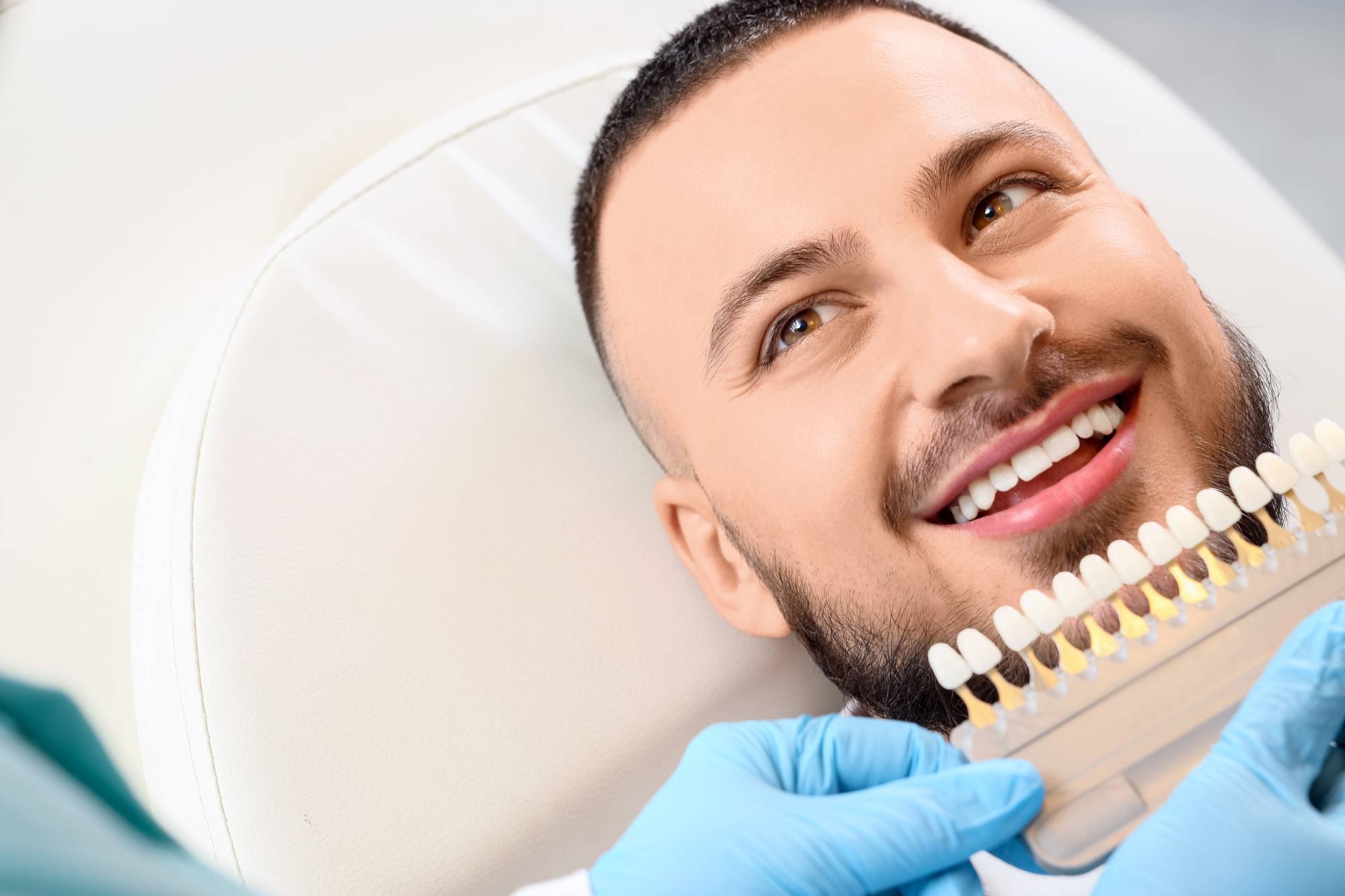
Mazza Center for Implant and Aesthetic Dentistry provides veneers in Bethesda, giving you a local place to begin. Our downtown office serves Potomac, Rockville, Silver Spring, and Northwest Washington, DC. Cosmetic dentistry is a core focus here. Our dental care team plans each case around the color, shape, and size you want, and digital tools support precise planning at every stage. Throughout the process, we put your natural teeth first. Many patients arrive unsure which option fits, and that is a common place to start. You receive plain answers about timing, comfort, and expected results.
Veneers in Bethesda
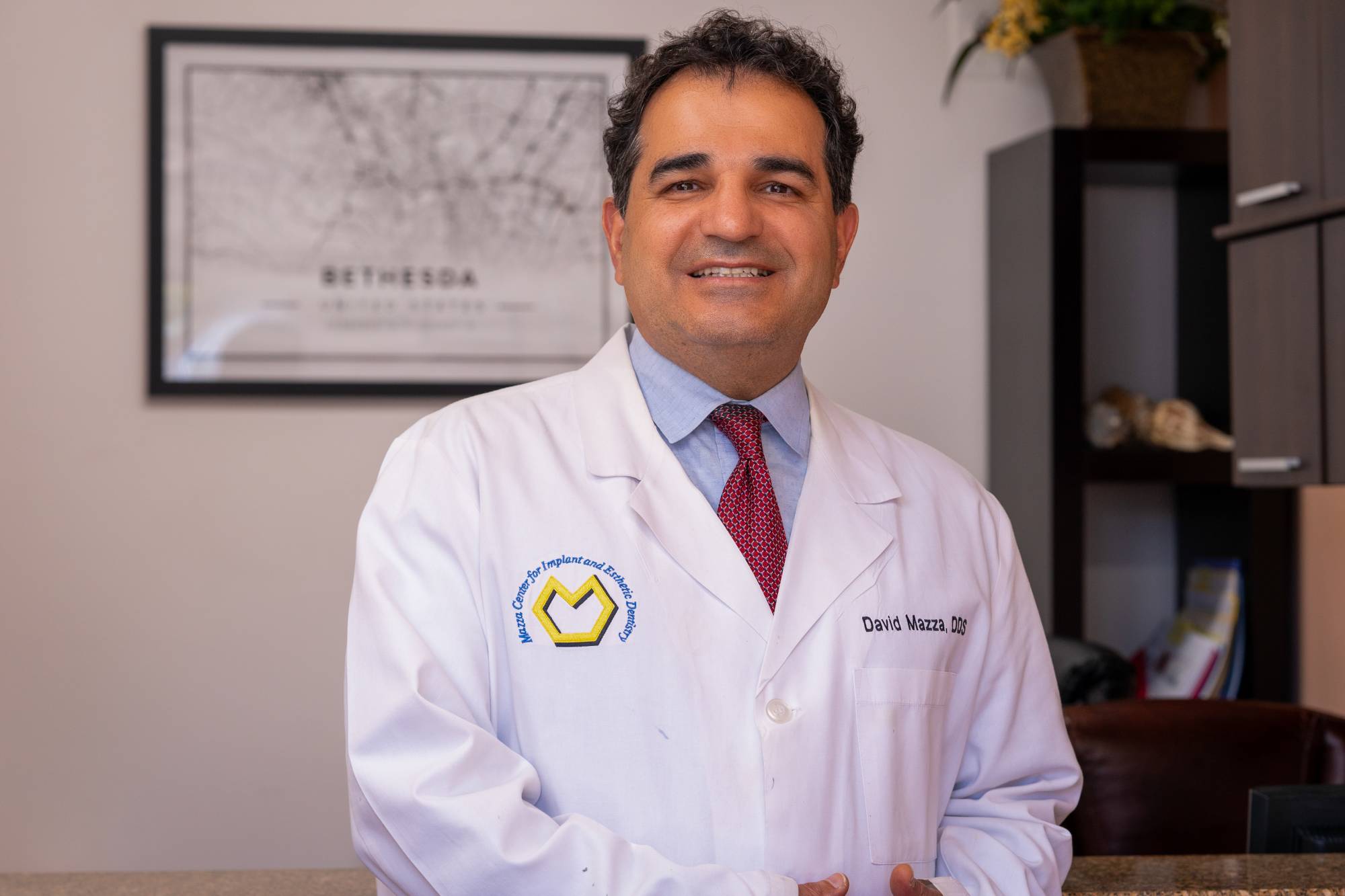
Meet Dr. David Mazza
Patients at Mazza Center for Implant and Aesthetic Dentistry meet Dr. David Mazza. He is a cosmetic dentist with more than 28 years in practice. He is a Diplomate of the International Congress of Oral Implantologists (ICOI) and the American Board of Aesthetic Dentistry (ABAD). He is an Associate Member of the American Academy of Esthetic Dentistry, an invitation-only organization. He is also a Fellow Member of the American Society for Dental Aesthetics.
He has served at the University of Maryland School of Dentistry since 2000. His roles are Clinical Assistant Professor and Dean’s Faculty Member. He brings over 25 years of teaching experience to patient care. His teaching shapes his patient-centered approach and focus on patient education. Few cosmetic dentists nearby combine this much teaching, board certification, and society membership.
Are you experiencing smile concerns you’ve been putting off?
Is veneer treatment right for you?
Many people live with a chipped edge or stubborn stain for years before asking about a fix. That delay is common. Your aesthetic concerns, enamel, and schedule help decide if dental veneers suit you.

Veneer Types Available at Mazza Center
Traditional Porcelain Veneers
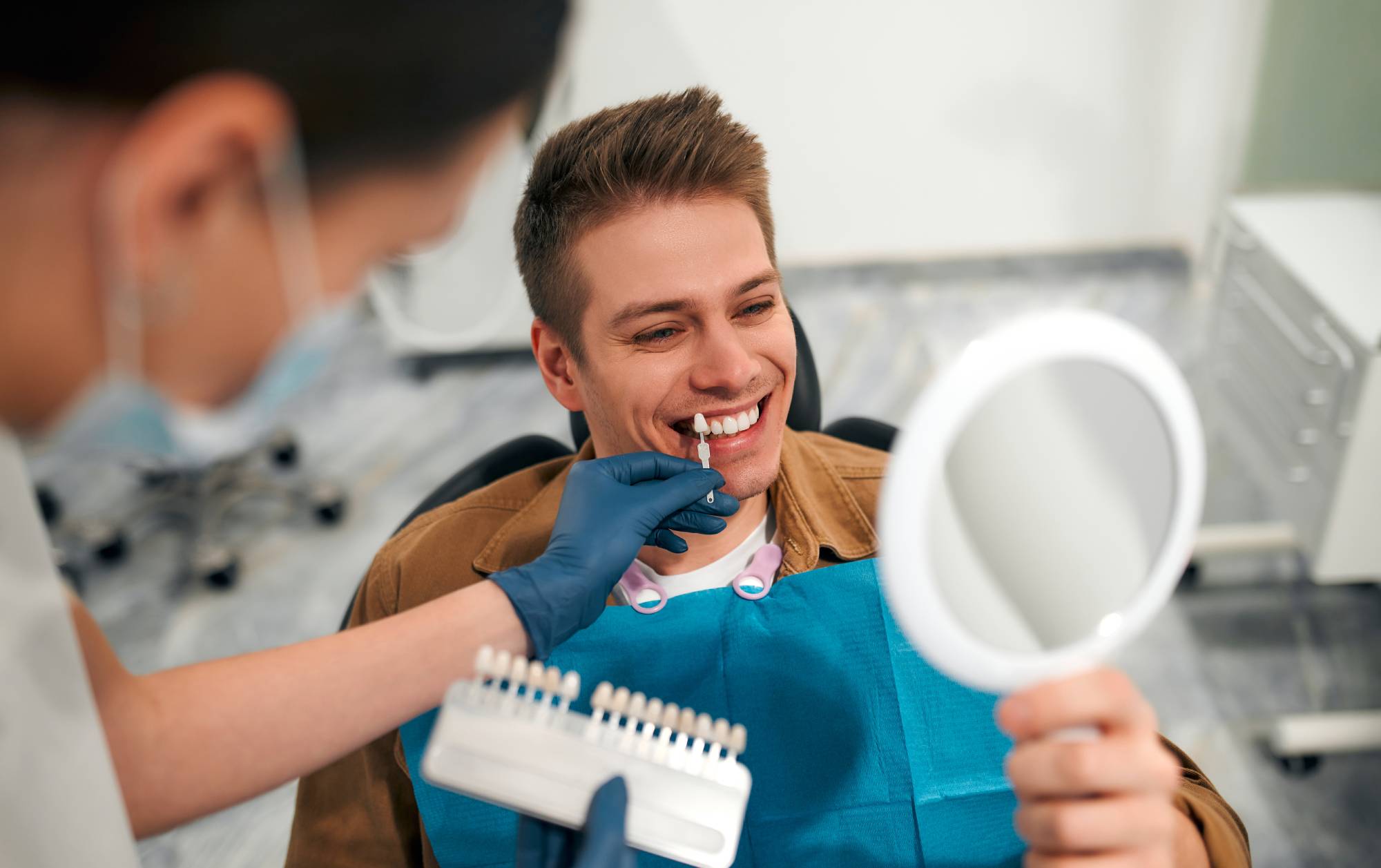
Traditional porcelain veneers are custom-made shells that cover the visible face of each treated tooth. Your dentist reshapes a thin layer of enamel first to make room. The glazed surface resists staining and supports a natural smile. Dr. Mazza checks fit, shade, and bite before the final bond. Some patients qualify for same-day placement.
Opposing Perspectives
Traditional veneers offer clear benefits and one lasting tradeoff.
Benefits:
- Long track record for durability
- Stain resistance and a natural look
- Reliable hold under everyday chewing
Tradeoffs:
- Enamel removal is permanent
- Thin enamel can rule this option out
A review of clinical studies estimated porcelain laminate veneers at 95.5 percent cumulative survival at 10 years. Your enamel and goals show which side carries more weight.
No-Prep Veneers
No-prep veneers are thin shells designed to leave your natural teeth almost untouched. Because the enamel stays in place, you can often change your mind later. Thin shells suit mild color change and good alignment. Dr. Mazza examines your enamel, color, and alignment to see if this option fits.
Opposing Perspectives
No-prep veneers give you flexibility and come with limits.
Benefits
- Minimal enamel loss
- Often reversible
- Easier to revisit later
Limits
- Thin shells may show deeper stains
- Less material limits reshaping
- Added bulk can show on some teeth
Reviewers who searched randomized trials of no-preparation ceramic veneers called for more clinical studies of how well they work. Limited data makes a careful exam important. Your teeth and goals decide whether the tradeoff makes sense.
What happens if you do nothing?
FAQs
How long do porcelain veneers last?
Porcelain veneers can last many years with proper protection. Your bite, any clenching or grinding, and your oral hygiene routine matter most. Hard foods and ice raise the risk of chips. Routine checkups let your dentist adjust or repair small issues early. If you clench at night, ask about a protective guard. Your dentist can often replace a damaged veneer without touching neighboring teeth. Dr. Mazza reviews these habits with you, and patient education is part of every visit.
What is the difference between traditional and no-prep veneers?
The key difference is enamel. Traditional veneers require tooth preparation, meaning a thin layer of enamel is removed first. That change is permanent. No-prep versions leave enamel mostly in place, so many cases stay reversible. Deeper stains usually point to the traditional route. Your tooth color and enamel thickness decide which one fits. Dr. Mazza explains both and answers questions before you choose. A dental exam lets you compare treatment options for your own teeth.
Can veneers be combined with other cosmetic treatments?
Yes. Veneers often fit into a broader smile makeover plan because they change color, shape, and surface texture together. Other services, such as teeth whitening, can join the plan. A smile transformation often involves more than one service. We plan these cosmetic treatments as one sequence, so each step supports the next. Some patients start with veneers and add other care later. Your personalized treatment plan reflects your aesthetic goals and your pace.
Will my veneers look natural?
Yes. Porcelain reflects light much like natural enamel, which gives veneers a natural appearance. We choose shade and shape using your facial features, skin tone, and smile line. Your gumline and lip movement also influence the final look. Bring reference photos if you worry about an artificial result. Dr. Mazza will compare them with your goals. You approve the design before treatment begins. Your veneers should look like part of your own natural smile.
Is the veneer process comfortable?
Most patients find veneer treatment comfortable. Traditional veneers involve reshaping a thin layer of enamel, and numbing keeps that step easy to tolerate. No-prep veneers often involve less reshaping, so some patients need less numbing. Hot and cold sensitivity can appear for a few days afterward and typically settles on its own. Dr. Mazza explains each stage before treatment begins. Tell us right away if anything bothers you. Our dental care team wants the visit to feel calm and predictable.