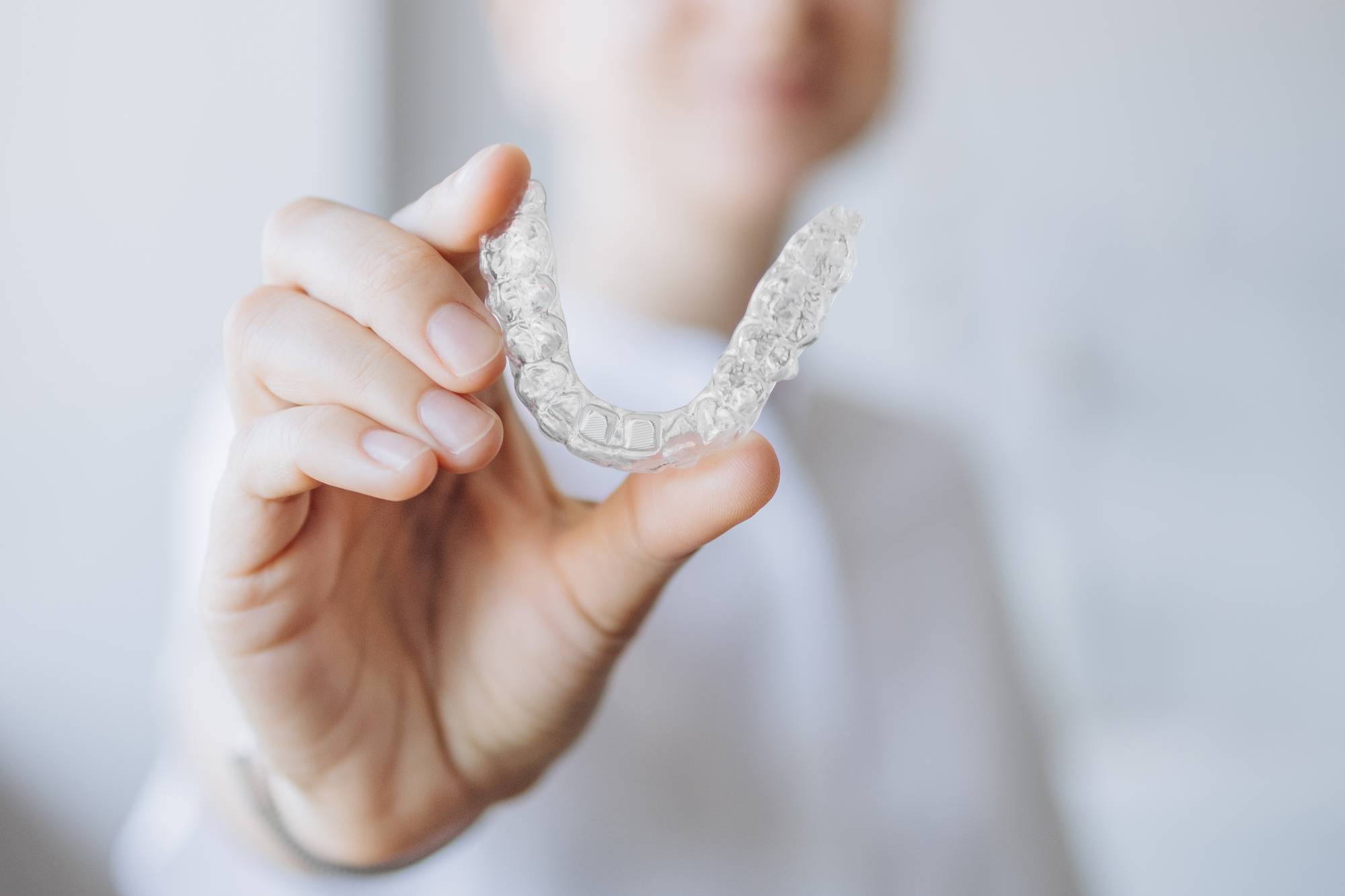
Mazza Center for Implant and Aesthetic Dentistry provides Invisalign for Potomac patients to straighten their teeth without metal brackets. The practice welcomes patients from surrounding communities at its Bethesda office, where Dr. David Mazza oversees every aligner case. Each patient brings different smile goals, and the dental team builds the plan around them. The practice puts patient education first, so you decide at your own pace once you have clear information.
Invisalign in Potomac

Meet Dr. David Mazza
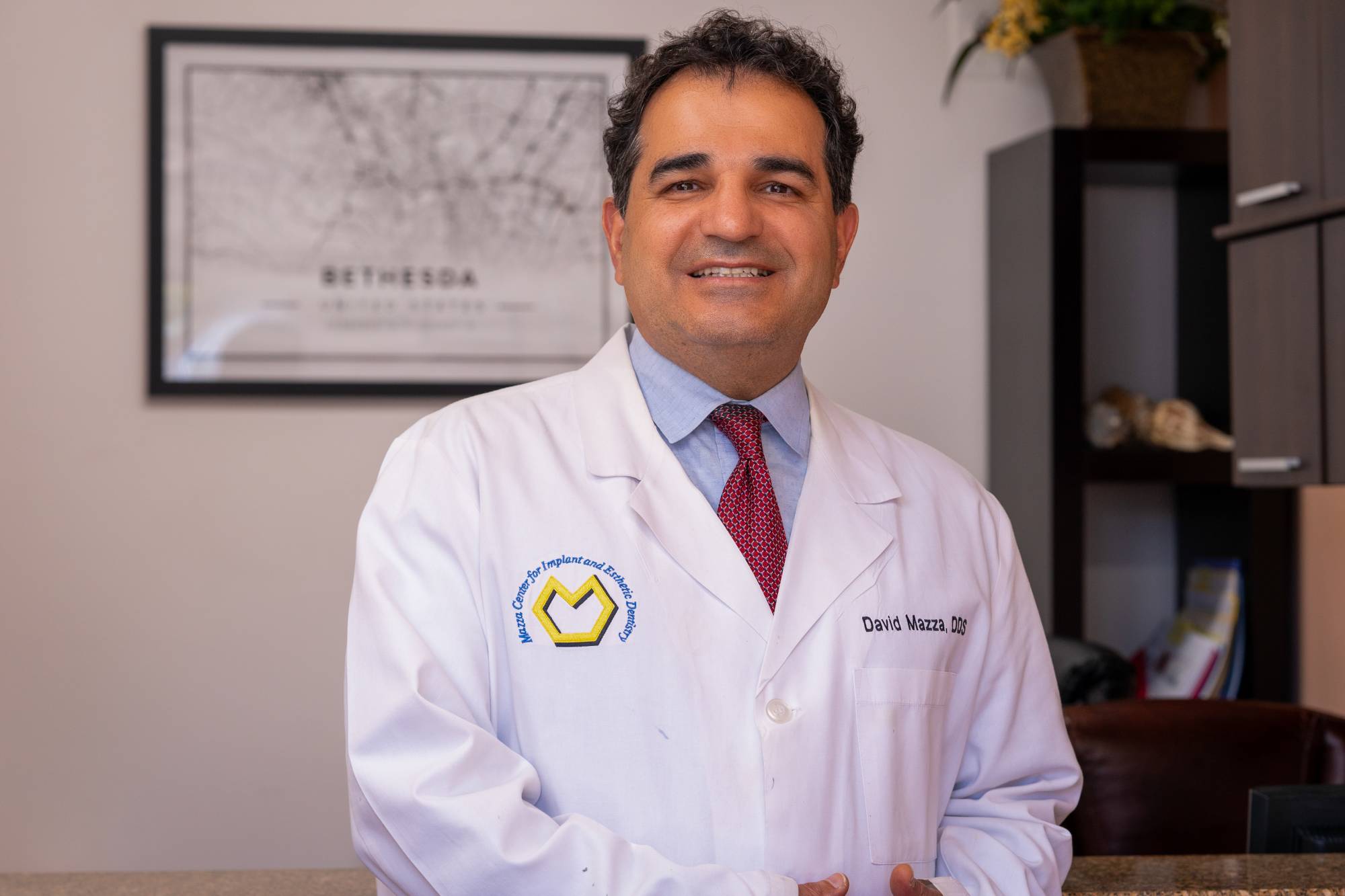
Dr. David Mazza leads care at Mazza Center for Implant and Aesthetic Dentistry. His career includes more than 28 years of practicing cosmetic dentistry and over 25 years of teaching. Since 2000, he has served as a Clinical Assistant Professor at the University of Maryland School of Dentistry. The school also names him a Dean’s Faculty member. He is a board-certified Diplomate of the International Congress of Oral Implantologists (ICOI). The American Board of Aesthetic Dentistry (ABAD) also certifies him as a Diplomate. Dr. Mazza is an Associate member of the American Academy of Esthetic Dentistry, an invitation-only organization. He is also a Fellow member of the American Society for Dental Aesthetics. Patients know him for patient-centered care.
Are you experiencing crowding, gaps, or a misaligned bite?
Is invisalign the right orthodontic solution for you?
Crooked or crowded teeth affect how you feel about your smile. Gaps between teeth and bite issues usually stay put without orthodontic treatment. Your smile goals and your facial balance both shape which option fits. A few clear facts help you judge your own case.
Types of Clear Aligner Treatment Available
Invisalign Full
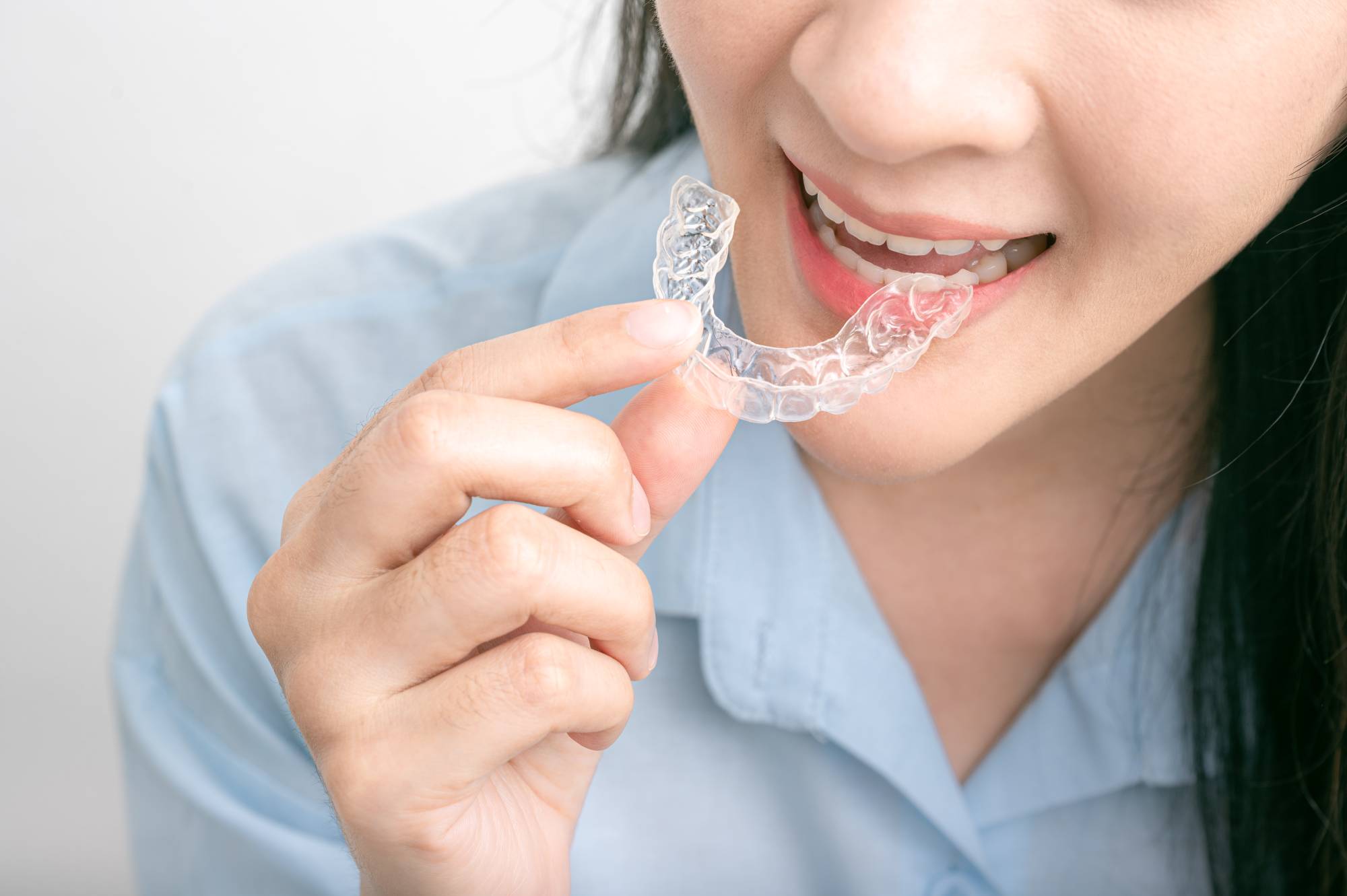
Invisalign Full fits patients whose teeth need movement across both arches. This full treatment uses a long series of custom-made aligners to reach every planned position. Dr. Mazza designs your entire plan on screen first, so you preview the expected result before you commit. Expect a longer timeline than shorter systems.
Opposing Perspectives on Invisalign Full
Invisalign Full gives moderate to complex cases a mapped plan. The trade-offs are more time and a larger budget than limited systems need. Case selection matters most before you begin. A systematic review of Invisalign studies in non-growing patients found aligners were not effective at rotating rounded teeth. Dr. Mazza reviews your bite and goals before he recommends a plan.
Invisalign Lite and Invisalign Go
Invisalign Lite and Invisalign Go handle small corrections with fewer trays and a narrower range of movement. Mild crowding or one small space often qualifies. Shorter plans finish sooner, and overall cost is typically lower than Invisalign Full. You still follow the same wear time as other plans. Dr. Mazza confirms during your exam whether your teeth fall inside the range.
Opposing Perspectives on Invisalign Lite and Invisalign Go
A shorter course attracts patients with simple cases. These systems fit poorly with complex bite issues or heavy crowding. A mismatch often leads to retreatment and added cost. A narrative review comparing aligners with braces cautions that aligners can fall short in complex cases needing extra techniques. Honest screening protects your time and budget.
Invisalign Teen
Invisalign Teen adds compliance indicators that show whether a teen wears the trays for the recommended hours. Parents and the dental team can read that signal at visits. The program also includes replacement aligners for lost or damaged trays. Teens who take responsibility for daily wear can do well with this alternative to traditional braces.
Opposing Perspectives on Invisalign Teen
The indicators and replacement trays make this option practical for adolescents. Many teens also prefer clear aligners over metal brackets that change their look for a year or more. The program still asks for daily discipline, and trays worn inconsistently will not deliver the planned result. A 12-month randomized trial of teenagers using Invisalign noted that they need ongoing motivation to keep wearing aligners. Complex cases with significant skeletal growth may suit traditional methods better.
Alternative treatments: what happens if you do nothing?

FAQs
How do invisalign full, lite, and go differ?
The main difference is how much movement each system handles. Invisalign Full covers a larger range, so it suits moderate crowding, spacing, or bite issues. Invisalign Lite and Invisalign Go cover smaller changes, such as mild crowding or one narrow space. Treatment time follows the same pattern. Dr. Mazza examines your teeth, then explains which system matches your smile goals and treatment plan.
Can adults get Invisalign, or is it primarily designed for younger patients?
Yes, adults make up a large share of patients who choose clear aligners. No age limit applies if your teeth and gums are healthy enough for treatment. Many adults choose aligners to straighten their teeth without visible metal braces at work. Teens can qualify too, and Dr. Mazza confirms the right system during a consultation. Your oral health and goals matter more than your age.
Is Invisalign uncomfortable, and is sedation available for nervous patients?
Most patients feel pressure or mild soreness for the first few days with each new set of trays. That feeling usually fades as your teeth adjust. Patients who feel nervous about dental visits can ask about sedation dentistry at our practice. Dr. Mazza and our dental team want you to be comfortable at every appointment. Tell us about your concerns on your first visit.
What happens at the Invisalign consultation at Mazza Center?
During your consultation at Mazza Center for Implant and Aesthetic Dentistry, Dr. Mazza reviews your bite, alignment, and gum health using digital scans. He then decides whether clear aligners fit your case. Some patients start right away, and others address a cavity or gum issue first. Your smile journey starts with that clear picture, so ask about timing and results. You choose your next step once you have all the facts.
How long do Invisalign results last after treatment ends?
Your results last as long as you protect them. Teeth have a natural tendency to shift, so a retainer becomes part of daily life. Dr. Mazza explains the wear schedule after your final tray. Regular checkups let the dental team catch small shifts while they are easy to correct. Healthy gums and bones also help teeth stay stable for years. Tell your dental team if a retainer feels tight.